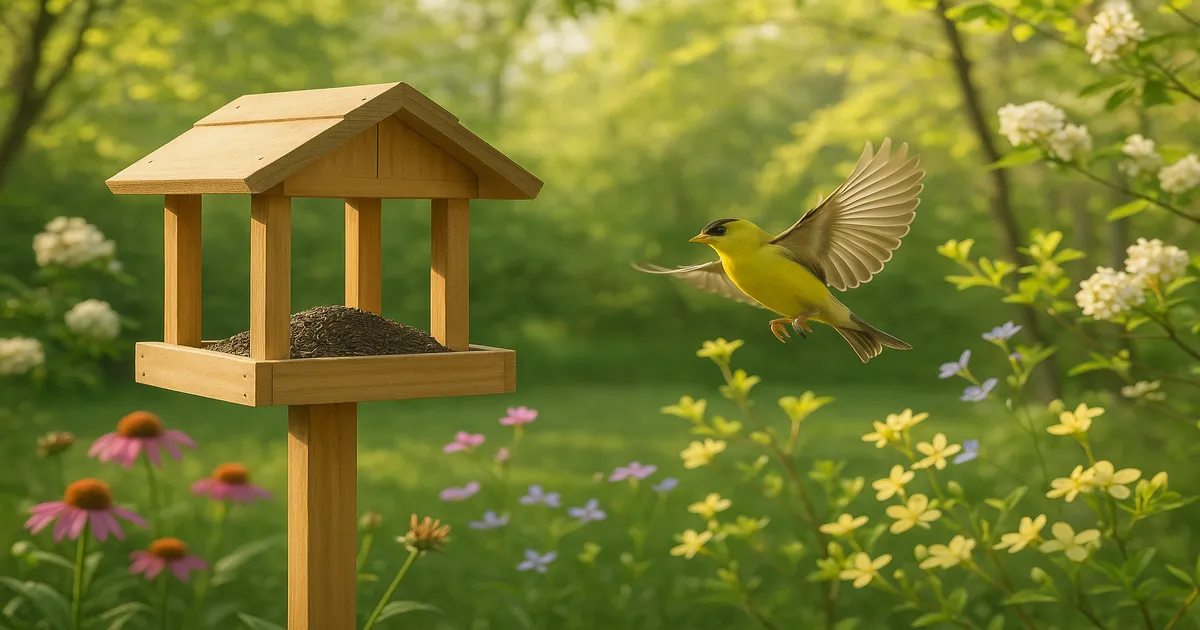
Quick Answer: If you’re wondering how to get your birds back, the most likely culprits are natural food abundance pulling birds off feeders in late summer, a hawk patrolling your yard, or a dirty feeder birds are actively avoiding. Clean your feeders, refresh your seed, add fresh water, and give it a few days — most disappearances are temporary and have simple fixes.
If you’ve walked outside to check your feeders and found them eerily untouched, you’re not alone. “How do I get my birds back?” is one of the most common questions backyard birders ask, and the good news is that birds rarely disappear without a reason you can identify and fix. This guide walks through every major cause — seasonal patterns, predator pressure, feeder hygiene, habitat — so you can figure out what happened and act on it.
How to Get Your Birds Back: Quick Action Checklist
Run through this list before anything else. It covers the most common causes in order of likelihood:
- Clean your feeders — scrub with a 10% bleach solution, rinse thoroughly, let dry completely
- Discard and replace all seed — check for clumping, mold, or a rancid smell
- Refresh your water source — a birdbath with clean, moving water is often the fastest bird magnet
- Look for hawks or cats — scan nearby trees and rooftops; a Cooper’s Hawk can shut down a feeding station for a week
- Note the season — late July through September is the quietest feeder period of the year; this may simply be normal
- Check for habitat changes — any recent tree removal, construction, or landscaping nearby?
If you’ve checked all six without finding a problem, be patient. Birds often return on their own within a week or two.
Know Which Birds You’re Missing
Figuring out which species have disappeared is the most useful diagnostic step. Different birds leave for different reasons, and the fix for losing your goldfinches is completely different from the fix for losing your woodpeckers.
Quick-Reference Feeder Bird ID Table
| Species | Size | Key Field Marks | Feeder Preference |
|---|---|---|---|
| American Robin | 10 in (25 cm) | Orange-red breast, yellow-orange bill | Mealworms, fruit; rarely at seed feeders |
| Northern Cardinal | 8.75 in (22 cm) | Red crest (male), orange bill | Black-oil sunflower, platform feeder |
| Black-capped Chickadee | 5.25 in (13 cm) | Black cap & bib, white cheeks | Sunflower, suet, tube feeder |
| House Finch | 6 in (15 cm) | Rosy-red head/breast (male), streaked brown (female) | Sunflower, nyjer, tube feeder |
| Dark-eyed Junco | 6.25 in (16 cm) | Dark hood, white belly, white outer tail feathers | Millet, sunflower; ground feeding |
| Mourning Dove | 12 in (31 cm) | Slim, long-tailed, spotted wings | Millet, sunflower; platform or ground |
| American Goldfinch | 5 in (13 cm) | Yellow (summer) or olive (winter), black wings year-round | Nyjer, tube feeder |
| Downy Woodpecker | 6.75 in (17 cm) | Black-and-white, small stubby bill, red nape patch (male) | Suet, sunflower, suet cage |
Species Notes
American Robin (Turdus migratorius): That brick-red breast and yellow-orange bill are unmistakable on adults. Juveniles have a spotted breast that briefly resembles other thrushes. Robins rarely visit seed feeders — if you’ve “lost” your robins, the issue is usually lawn access or fruit availability, not seed.
Northern Cardinal (Cardinalis cardinalis): Males are the brilliant all-red birds everyone recognizes; females are warm buffy-brown with reddish tinges on the crest and wings. Both sexes sing — unusual among North American songbirds. That loud cheer-cheer-cheer whistle is often the first sign a cardinal is nearby.
Black-capped Chickadee (Poecile atricapillus): Sexes look nearly identical. Their chick-a-dee-dee-dee call is one of the most useful alarm signals in the yard — the more dee notes, the higher the perceived threat. If your chickadees have gone quiet, pay attention.
American Goldfinch (Spinus tristis): Summer males are brilliant lemon-yellow with a jet-black cap. In fall, they molt into drab olive-yellow that fools people constantly. The black wings are retained year-round — that’s your best field mark for winter birds. More on this below.
Dark-eyed Junco (Junco hyemalis): The classic “snowbird.” The most widespread form shows a dark gray hood, white belly, and white outer tail feathers that flash in flight. Juncos are ground feeders — look beneath your feeders, not at them.
Mourning Dove (Zenaida macroura): That mournful coo-OO-oo-oo-oo is often mistaken for an owl by new birders. Doves are ground and platform feeders; they’ll vanish quickly when a hawk moves in, since they’re a preferred prey item.
Downy Woodpecker (Dryobates pubescens): North America’s smallest woodpecker. The short, stubby bill separates it from the nearly identical Hairy Woodpecker. A soft, flat pik call usually announces its presence before you see it.
Why Birds Disappear: The Real Reasons Your Feeder Went Quiet
Natural Food Abundance in Late Summer and Fall
This is the single most common reason feeders go quiet, and the one most people overlook. From roughly late July through October, wild food sources — insects, berries, weed seeds — are at peak abundance. Birds are opportunistic; when the wild buffet is open, they don’t need your sunflower seeds. Keep your feeders clean and stocked, and birds will return when wild food becomes scarce again in late fall.
Hawk and Predator Pressure
A Cooper’s Hawk (Accipiter cooperii) or Sharp-shinned Hawk (Accipiter striatus) hunting your yard can shut down feeder activity for days to a week or more. Birds don’t forget a predator event quickly — even the silhouette of a hawk overhead triggers alarm responses and feeder abandonment.
Look for white droppings on fence posts or perches, scattered feathers on the ground, or the alarm calls of chickadees and jays. The best response is patience. Don’t move your feeders — birds will return when the hawk moves on. Outdoor cats are equally disruptive and far more damaging over time; a single free-roaming cat can eliminate feeder activity entirely.
Dirty or Contaminated Feeders
Birds actively avoid feeders with moldy seed, wet hulls, or rancid suet. A feeder that made birds sick will be abandoned — sometimes for good, if the local flock associates that spot with danger. Seed goes bad faster than most people expect, especially in summer heat and humidity. If seed has been sitting in a feeder for more than two weeks without being eaten, toss it and start fresh.
Breeding Season and Post-Breeding Molt
From April through July, birds shift their focus to territorial defense and feeding protein-rich insects to nestlings. Feeder visits drop sharply — not because something is wrong, but because birds have better things to do. Post-breeding molt (July–September) makes birds secretive and harder to spot. A cardinal in heavy molt looks ragged and patchy; it’s not sick, it’s replacing feathers. Birds in molt tend to stay in dense cover more than usual.
Habitat Changes Around Your Yard
Tree removal, new construction, or the loss of dense shrubs can eliminate the shelter and nesting sites birds depend on. If a neighbor cut down a large oak or removed a hedgerow, that can shift local bird traffic significantly — and there’s no feeder fix for lost habitat.
Seasonal Patterns: When to Expect Birds at Your Feeders
| Season | Feeder Activity | Key Events |
|---|---|---|
| Spring (Mar–May) | Moderate, declining | Migrants depart; breeding begins; insects emerge |
| Summer (Jun–Aug) | Low | Nesting; insect diet; post-breeding molt begins |
| Fall (Sep–Nov) | High, building | Migration peaks; juncos arrive; birds bulking up |
| Winter (Dec–Feb) | Highest | Maximum feeder dependency; irruptive finches possible |
Spring: Your winter regulars — juncos, White-throated Sparrows — head north in March and April, and resident birds get distracted by breeding. Feeder visits drop. Keep feeders clean and add a nest box; activity picks back up once territories are established.
Summer: June through August is genuinely slow at most feeders. One exception: American Goldfinch breeding peaks in July–August, later than most songbirds, so nyjer feeder activity can actually increase in midsummer. A birdbath with moving water is your best summer tool — it pulls in insectivores like robins and warblers that never touch seed.
Fall: Feeder activity surges in September and October as resident birds bulk up and migrants pass through. Dark-eyed Juncos showing up at your feeders are one of the most reliable signs of autumn. Clean everything and restock before the rush.
Winter: This is when feeders matter most. Natural food is scarce, and birds visit reliably. Mixed flocks of chickadees, nuthatches, Downy Woodpeckers, and finches work through neighborhoods together — anchor one of these flocks and you’ll have steady traffic all season. Some winters bring irruptive species from the north when boreal food crops fail: Pine Siskins (Spinus pinus), Common Redpolls (Acanthis flammea), and Evening Grosbeaks (Coccothraustes vespertinus) are the ones to watch for.
The Goldfinch Molt Mystery
More questions come in about “disappearing goldfinches” than almost anything else. Here’s what’s actually happening: American Goldfinches undergo a complete molt in fall, trading brilliant yellow for drab olive-yellow. The birds are still there — they just look completely different. The field mark that survives the molt is the black wings. If you see a small, olive-ish finch with crisp black wings and white wing bars at your nyjer feeder in November, that’s your goldfinch, right on schedule.
How to Get Your Birds Back: Food, Feeders, and Habitat
The Best Foods to Attract Birds Fast
Black-oil sunflower seed is the single most effective feeder food. The thin shell is easy for small birds to crack, the fat content is high, and the species list it attracts is enormous — cardinals, chickadees, nuthatches, finches, juncos, sparrows, and woodpeckers all take it readily. A tube feeder at eye level paired with a platform feeder below it covers both perching and ground-feeding species.
Nyjer (thistle) seed is what you want if goldfinches and Pine Siskins are your target. It must be dispensed through a tube feeder with small ports — standard feeder ports are too large. Keep nyjer dry; it molds quickly and will be ignored once it does. If it’s been sitting out more than three weeks, replace it.
Suet is non-negotiable in cold weather. Rendered beef fat, often mixed with seeds or peanuts, provides the caloric density woodpeckers and nuthatches need in winter. Mount a wire suet cage directly on a tree trunk or within a foot of one — that’s where woodpeckers expect to find food.
Mealworms on a shallow platform are the fastest way to attract American Robins, Eastern Bluebirds, and Carolina Wrens. Robins don’t eat seed — if you want them back, mealworms and a birdbath are your tools. Live mealworms outperform dried ones, though dried mealworms are far more convenient for most people.
Feeder Hygiene: Clean Feeders, Healthy Birds
Dirty feeders don’t just reduce visits — they spread disease. Salmonella and House Finch eye disease (Mycoplasmal conjunctivitis) are both transmitted at contaminated feeders. A sick bird can infect the whole local flock.
Cleaning schedule:
- Every two weeks minimum during cool, dry weather
- Weekly in summer heat and humidity
- Immediately if you see sick birds (swollen eyes, lethargy, fluffed feathers at warm temperatures)
How to clean:
- Empty all old seed and discard it
- Scrub with a stiff brush and hot soapy water
- Rinse with a 10% bleach solution (1 part bleach to 9 parts water)
- Rinse thoroughly with clean water
- Let dry completely before refilling — wet seed molds within days
Habitat: Creating a Yard Birds Want to Return To
Water is consistently underrated. A clean birdbath with moving water attracts more species than any single feeder food, including birds that never touch seed. Beyond that, four things drive bird presence in a yard: food, water, shelter, and nesting sites. Remove any one of them and you’ll lose species.
Practical improvements that actually work:
- Plant native fruiting shrubs — winterberry holly, dogwood, and serviceberry are magnets for robins, waxwings, and thrushes
- Leave leaf litter — raking it all away removes a thriving insect habitat and a critical food source for ground-feeding birds
- Add a brush pile — a simple pile of pruned branches in a back corner provides cover for juncos and sparrows
- Install nest boxes — chickadees, Downy Woodpeckers, and bluebirds all use cavities; a well-placed box can anchor a pair to your yard all season
A good pair of binoculars (Nikon Monarch M5 8x42) makes it much easier to monitor feeder activity from indoors and spot the subtle signs — a hawk on a distant perch, a sick bird at the feeder — that explain sudden disappearances.
A Note on Geographic Range
Northern Cardinals are absent from the Pacific Northwest and most of the Mountain West, so don’t expect them if you’re in Seattle or Denver. In the Southeast, the Carolina Chickadee (Poecile carolinensis) replaces the Black-capped Chickadee — they look nearly identical, but the Carolina’s call is subtly faster and higher-pitched. Dark-eyed Juncos breed in boreal forests and mountain ranges but winter across virtually all of the lower 48.
Frequently Asked Questions
Why did all my birds disappear overnight? A sudden, complete drop in feeder activity almost always points to a predator — usually a Cooper’s Hawk or Sharp-shinned Hawk that has started hunting your yard. Check for white droppings on perches or scattered feathers on the ground. Feeder activity typically resumes within three to seven days once the hawk moves on.
How long does it take for birds to come back to a feeder? After cleaning and restocking a neglected feeder, expect birds to return within two to five days, sometimes sooner if chickadees are already active in your area. After a hawk scare, allow up to a week. If nothing has returned after two weeks and you’ve ruled out seasonal factors, check for a persistent predator or a habitat problem nearby.
Why do I have fewer birds in summer? Summer is the slowest feeder season of the year, and that’s completely normal. Insects and wild berries are abundant, birds are focused on nesting, and post-breeding molt makes them secretive. Keep feeders clean, add a birdbath with moving water, and activity will pick back up in September.
My goldfinches disappeared — where did they go? They almost certainly didn’t go anywhere. American Goldfinches molt in fall from bright yellow to drab olive-yellow, and people stop recognizing them. Look for small finches with crisp black wings and white wing bars at your nyjer feeder — that’s them. If your nyjer feeder has been sitting out for more than three weeks, replace the seed; stale nyjer gets ignored fast.
Do birds remember where feeders are? Yes, and quite reliably. Chickadees in particular have excellent spatial memory and will return to a productive feeder location even after weeks of absence. This is why it’s worth keeping feeders clean and stocked through slow periods — the birds haven’t forgotten you, they’re just busy elsewhere.