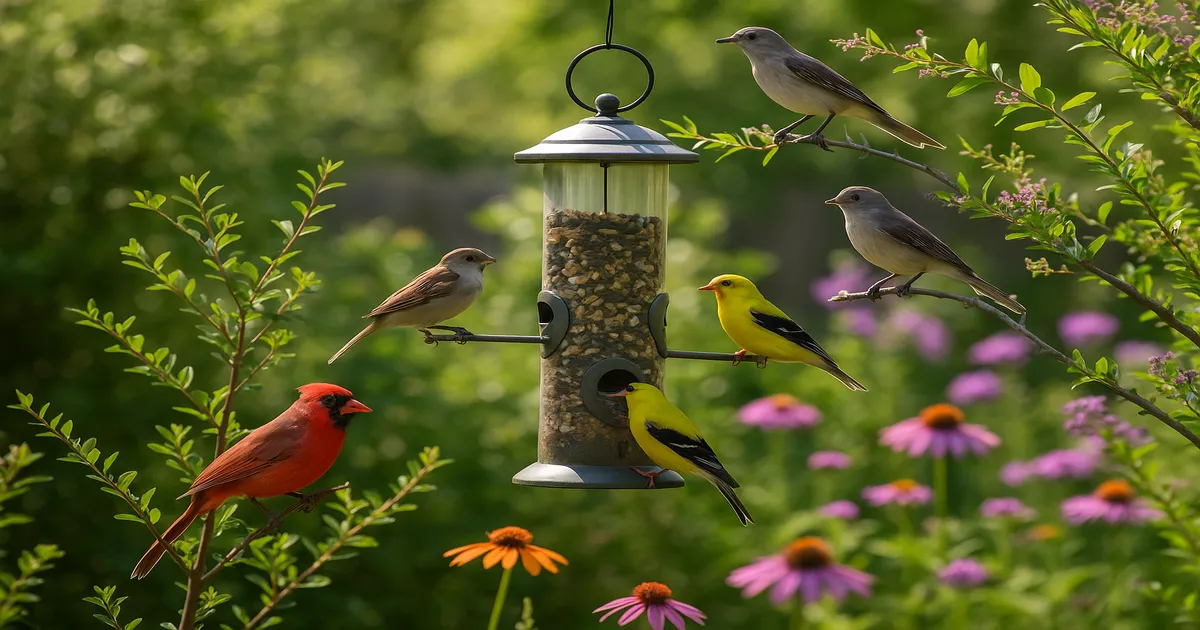
Quick Answer: The birds you’re seeing on Cat TV are almost always backyard feeder birds from eastern and central North America — species like the Northern Cardinal, Blue Jay, Black-capped Chickadee, and American Robin. This guide identifies the ten species that dominate Cat TV content, with field marks, calls, and behavior clues so you can name every bird on screen.
If you’ve searched “what is this bird I saw on Cat TV,” you’re not alone. Cat TV videos — YouTube channels, dedicated apps, and live window-mounted feeder cameras — pull from a surprisingly small pool of species. The same birds appear again and again because they’re bold, abundant, and completely addicted to sunflower seeds. Learn these ten and you’ll be naming birds faster than your cat can chirp at the screen.
The 10 Birds Most Commonly Seen on Cat TV
Here’s the lineup. Full ID details for each are below.
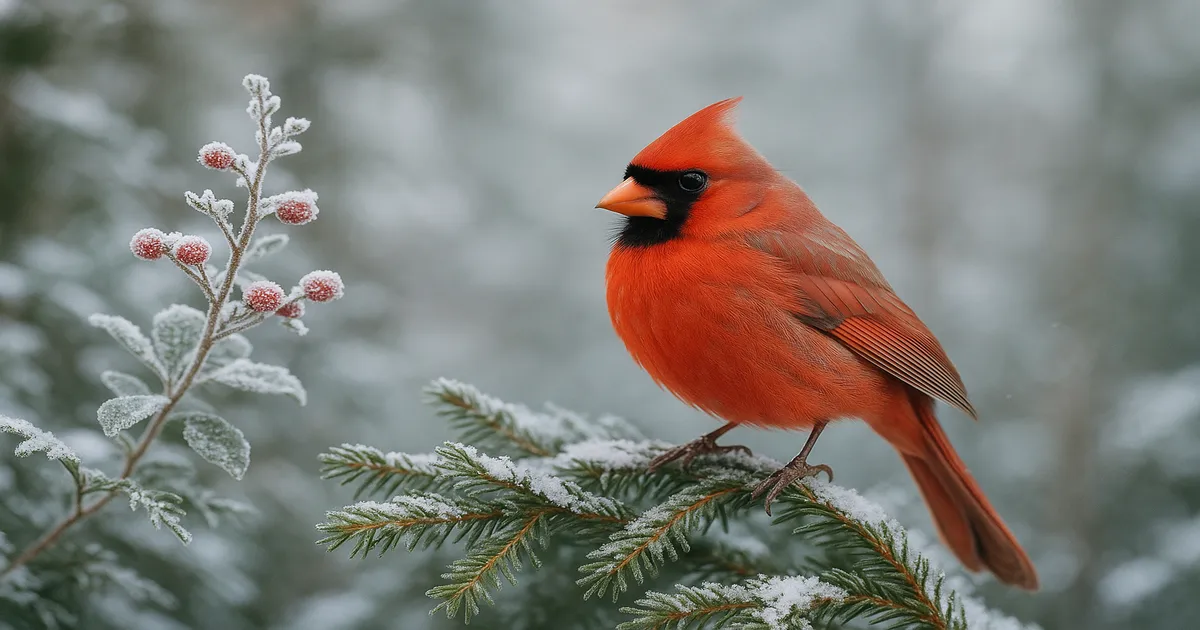
- Northern Cardinal — brilliant red male, or warm brown female with a crest
- Blue Jay — large, crested, blue with a black necklace
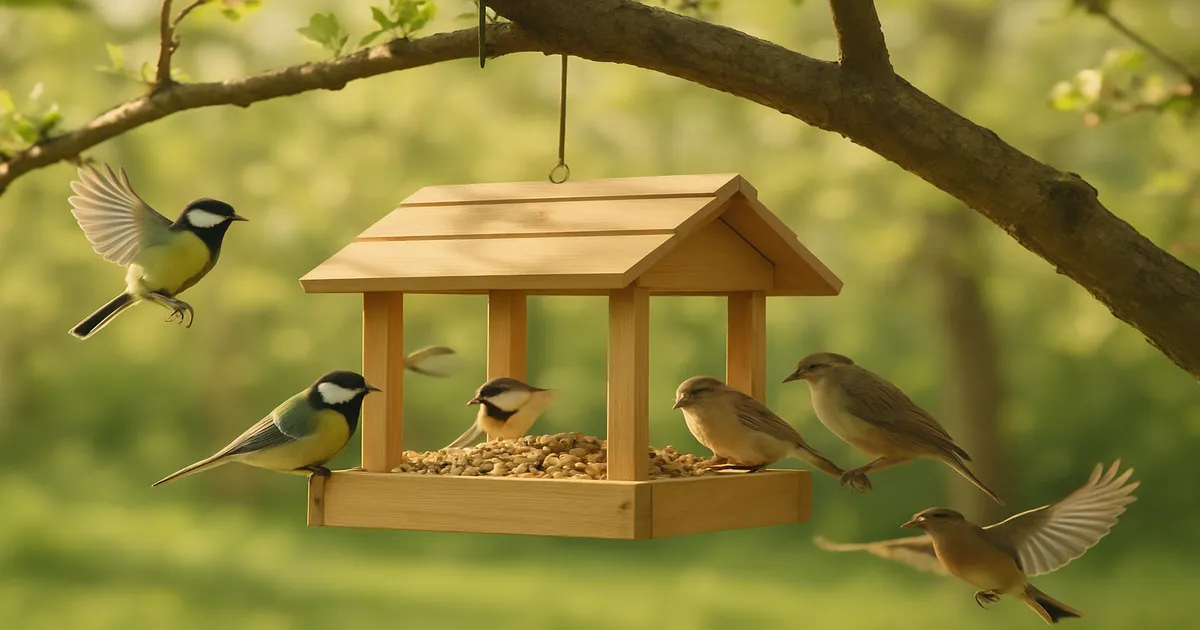
- Black-capped Chickadee — tiny, black cap, bright white cheeks
- American Robin — big and upright with an unmistakable orange-red breast
- Dark-eyed Junco — small and gray with white tail flashes in flight
- Mourning Dove — slender and tan with a long, pointed tail
- House Sparrow — chunky little brown bird, always in groups
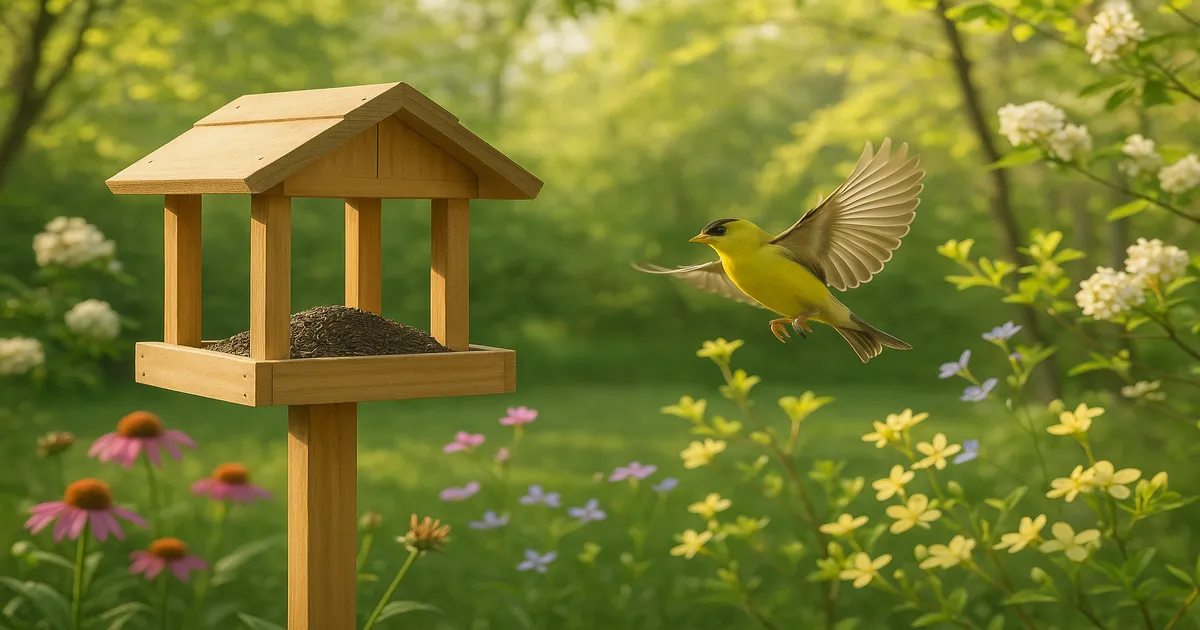
- American Goldfinch — bright yellow in summer, dull olive in winter
- Downy Woodpecker — small black-and-white bird clinging sideways to the feeder
- European Starling — glossy black in summer, heavily spotted in winter
How to Identify What Is This Bird I Saw on Cat TV
What Is Cat TV and Why Do the Same Birds Keep Appearing?
Cat TV is a loose category of video content designed to entertain indoor cats with moving wildlife. The most popular channels film at backyard feeders stocked with black-oil sunflower seeds and suet, which is exactly why the same birds show up constantly. Cardinals, chickadees, jays, and sparrows are bold, feeder-dependent, and live in suburban neighborhoods across most of the continent.
The fastest ID method: When you spot an unfamiliar bird on screen, ask three quick questions. How big is it compared to the other birds? Does it have a crest, a long tail, or any unusual shape? What’s the most striking color? Size and shape alone will narrow most Cat TV birds to two or three candidates. Color closes the deal.
Regional Variations: Why Your Cat TV Birds May Look Different
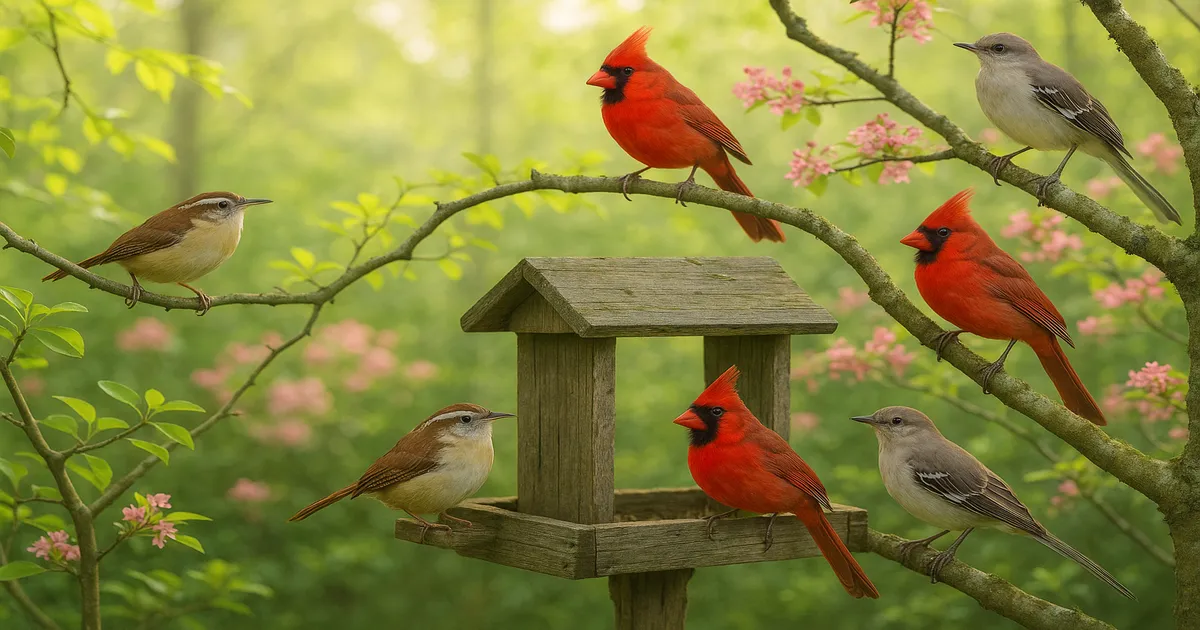
If you’re in the southeastern US, you’ll see Carolina Chickadee (Poecile carolinensis) instead of the Black-capped — they’re nearly identical, and the dividing line runs roughly from New Jersey to Kansas. Southeastern viewers also get Carolina Wren (Thryothorus ludovicianus) and Tufted Titmouse (Baeolophus bicolor) as frequent bonus species. Out west, the Dark-eyed Junco looks completely different — the Oregon form has a black hood and rusty flanks rather than the plain slate-gray of eastern birds.
Complete ID Guide: What Is This Bird I Saw on Cat TV?
Northern Cardinal: The Brilliant Red Bird (or Warm Brown Female)
The Northern Cardinal (Cardinalis cardinalis) is about 8.75 inches long with a thick orange-red bill and a pointed crest. Males are all red with a black mask. Females are warm buffy-brown with reddish tinges on the crest, wings, and tail — same distinctive bill. Many people assume the female is a different species entirely, but that orange bill and crest give her away every time.
Juveniles look like females but have a dark, dusky bill instead of orange — this trips people up in late summer. The male’s song is a loud, clear “cheer-cheer-cheer” or “birdy-birdy-birdy.” Unusually for songbirds, both sexes sing.
Confused by the female? She’s the only brown bird at most feeders with a crest. Brown bird, pointy head, orange bill — female cardinal, full stop.
Blue Jay: The Bold Blue Bird With a Crest
The Blue Jay (Cyanocitta cristata) is hard to miss — about 11 inches long, with brilliant blue plumage, a bold black necklace, and a crest it raises when agitated. Males and females look identical. At feeders, blue jays are the ones throwing their weight around and scattering smaller birds off the platform.
The call is a harsh, screaming “jay-jay-jay” that tends to send cats into full hunting mode. Blue jays are also talented mimics of Red-shouldered and Red-tailed Hawk screams — sometimes to clear a feeder of competitors, sometimes apparently just for the chaos of it.
Black-capped Chickadee: The Tiny Bird With a Black Cap and White Cheeks
At just 5.25 inches, the Black-capped Chickadee (Poecile atricapillus) is one of the smallest birds on Cat TV. The field mark is simple: black cap, black bib, brilliant white cheeks. No other common feeder bird has that combination. Chickadees are acrobatic and fearless, often the first birds back at a feeder after a disturbance.
Their “chick-a-dee-dee-dee” call is one of the most recognizable sounds in North American birding — and the number of “dee” notes actually signals alarm level. More dees means more danger.
American Robin: The Large Bird With the Orange-Red Breast
The American Robin (Turdus migratorius) is about 10 inches long — noticeably bigger than most feeder birds — with a round body, long legs, and a brick-red to deep orange breast. Males have a darker, nearly black head; females are similar but paler overall. Juveniles have a spotted breast, classic thrush ancestry showing through.
Robins don’t use feeders the way cardinals and chickadees do. Watch for them on the lawn, running a few steps, stopping dead, tilting their head, then driving their bill into the ground. That run-stop-tilt earthworm hunt is as diagnostic as the breast color.
Dark-eyed Junco: The Small Gray Bird With White Tail Flashes
The Dark-eyed Junco (Junco hyemalis) is about 6.25 inches long. In the East, it’s a clean slate-gray bird with a white belly and a short, pinkish-white bill. The single most reliable field mark: bright white outer tail feathers that flash when it flies or lands. Once you know to look for it, you can’t miss it.
Juncos are winter birds at most feeders — nicknamed “snowbirds” because they arrive right as cold weather sets in, typically October through April across much of the US. They feed almost exclusively on the ground, scratching through leaf litter and spilled seed.
Mourning Dove: The Slender Tan Bird With a Long Pointed Tail
The Mourning Dove (Zenaida macroura) is about 12 inches long, but most of that is tail. That long, pointed tail is the key shape feature — no other common feeder dove has it. Plumage is soft buffy-gray with a few black spots on the wings. They’re gentle, slow-moving birds that tend to feed on the ground beneath feeders.
On takeoff, the wings produce a sharp whistling whirr that startles predators — and definitely startles cats. The mournful “ooo-woo-woo-woo” cooing is immediately recognizable once you’ve heard it.
House Sparrow: The Chunky Little Brown Bird
The House Sparrow (Passer domesticus) is about 6.25 inches long, stocky, with a big round head and a thick seed-cracking bill. Males have a gray crown, chestnut back, and a black bib — the bigger the bib, the higher the bird’s social status. Females are plain buffy-brown with a pale eyebrow stripe and no bib. The female house sparrow is genuinely one of the most nondescript birds you’ll ever see, and that’s fine — they make up for it in personality.
They’re almost always in groups, filling the background of Cat TV videos with constant “cheep-cheep-cheep” chattering.
American Goldfinch: The Bright Yellow Finch (or Dull Olive in Winter)
In summer, the male American Goldfinch (Spinus tristis) is one of the most striking feeder birds on the continent — canary yellow with a jet-black cap, black wings, and white wing bars. About 5 inches long. In winter, that same male drops the black cap and turns a dull olive-yellow. Females are olive-yellow year-round. This seasonal change confuses a lot of people who think the goldfinches have vanished.
The flight call — a bubbly “po-ta-to-chip” — is given constantly as goldfinches travel in their signature bouncy, undulating flight. Small olive-yellow bird, black wings, roller-coaster flight: goldfinch, regardless of season.
Downy Woodpecker: The Small Black-and-White Bird Clinging to the Feeder
The Downy Woodpecker (Dryobates pubescens) is North America’s smallest woodpecker at about 6.75 inches. It’s the only small bird you’ll see clinging sideways to a suet cage or tree trunk. Bold black-and-white pattern: white back stripe, spotted wings, striped face. Males have a small red patch on the back of the head; females don’t.
It’s easy to mix up with the Hairy Woodpecker, which is larger and has a proportionally longer bill. On Cat TV, the Downy’s smaller size is usually obvious when other birds are nearby for scale.
European Starling: The Iridescent Black Bird (or Spotted Winter Bird)
The European Starling (Sturnus vulgaris) is about 8.5 inches long with a short tail and a long, pointed yellow bill in spring and summer. In breeding plumage it’s a glossy, iridescent black with green and purple sheen — genuinely beautiful up close. In winter, the bill turns dark and the body is covered in white and buff spots, making it look like a completely different bird. Note: the bill color shift is a reliable seasonal marker that the original article missed.
The triangular wing shape in flight is distinctive — it looks like a flying arrowhead. Juvenile starlings are dull gray-brown with a dark bill and get misidentified constantly. Stocky, short-tailed, plain gray-brown bird? Juvenile starling is your first guess.
Starlings are accomplished mimics — they can reproduce Eastern Wood-Pewee calls, Killdeer cries, and yes, hawk screams. If you hear what sounds like a hawk on Cat TV but can’t see one, check whether a jay or starling is nearby looking smug.
Attract More Cat TV Birds to Your Own Window
The right feeder setup makes a real difference in what shows up on screen. Match the feeder to the bird:
- Platform feeder — Northern Cardinal, Dark-eyed Junco, Mourning Dove. A wide, open platform like the Woodlink Going Green Platform Feeder gives cardinals room to perch comfortably.
- Tube feeder — American Goldfinch, Black-capped Chickadee, House Sparrow. The Droll Yankees Onyx Tube Feeder holds enough seed to keep goldfinches coming back.
- Suet cage — Downy Woodpecker, Black-capped Chickadee, European Starling. A basic Stokes Select Suet Feeder works well; pair it with high-fat suet cakes in winter when woodpeckers need the calories most.
- Ground feeding area — Mourning Dove, House Sparrow, Dark-eyed Junco. Scatter seed or use a low tray beneath your main feeder.
- Black-oil sunflower seed is the single best all-around choice. Wagner’s Greatest Variety Mix covers most of the species on this list in one bag.
If you want to watch these birds up close yourself — not just through your cat’s eyes — a decent pair of binoculars makes a huge difference. The Nikon Monarch M5 8x42 is a solid mid-range option that handles low-light feeder watching well.
Frequently Asked Questions: What Is This Bird I Saw on Cat TV?
Q: What is the red bird on Cat TV? Almost certainly a Northern Cardinal. The male is all red with a black mask and a pointed crest. If it’s brownish with reddish highlights and the same crest and orange bill, that’s a female cardinal — same species, very different look.
Q: What is the small black-and-white bird clinging to the side of the feeder? That’s a Downy Woodpecker. It’s the only small bird that clings sideways to a suet cage or tree trunk. Males have a small red patch on the back of the head; females don’t.
Q: Why does the yellow bird look dull and olive in winter? American Goldfinches molt into a drab olive-yellow plumage each fall and return to bright yellow in spring. The bird hasn’t gone anywhere — it’s just wearing its winter feathers. The black wings and bouncy flight pattern are still there year-round.
Q: What is the gray bird with white flashes in its tail? Dark-eyed Junco. Those bright white outer tail feathers are the giveaway. Juncos are winter visitors at most feeders, arriving in October and leaving by April.
Q: Why do some Cat TV videos have different birds than others? Feeder location matters a lot. Channels filmed in the Southeast will show Carolina Chickadee and Carolina Wren instead of Black-capped Chickadee. Western channels feature the Oregon Junco — black-hooded with rusty flanks — rather than the slate-gray eastern form. The seed mix and feeder type also determine which species show up most.