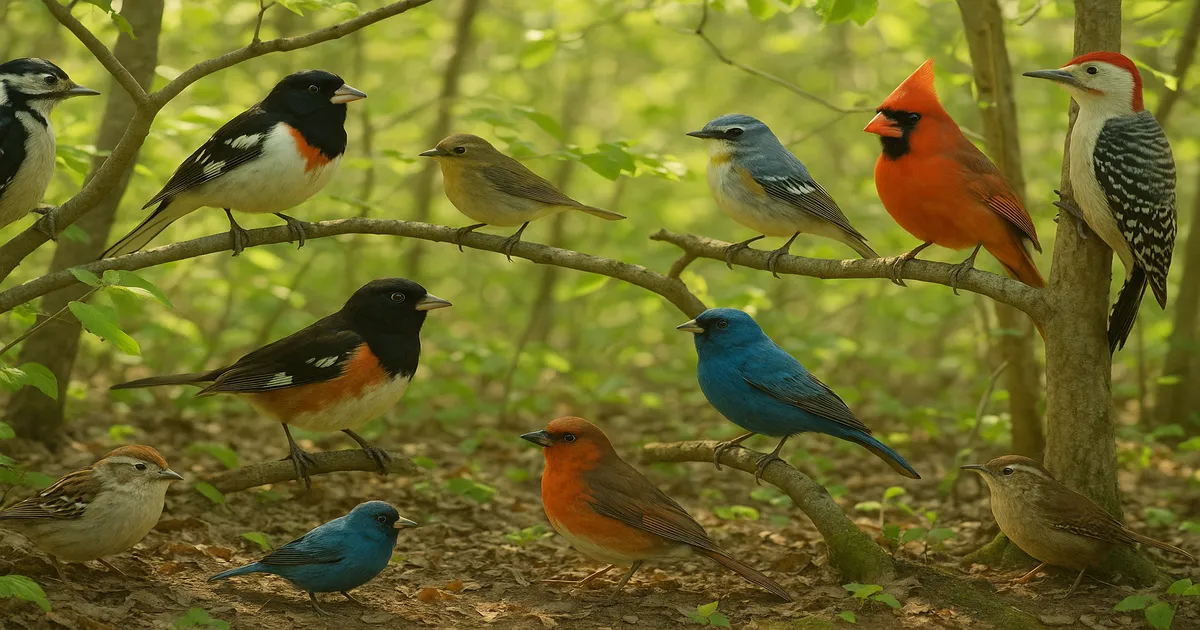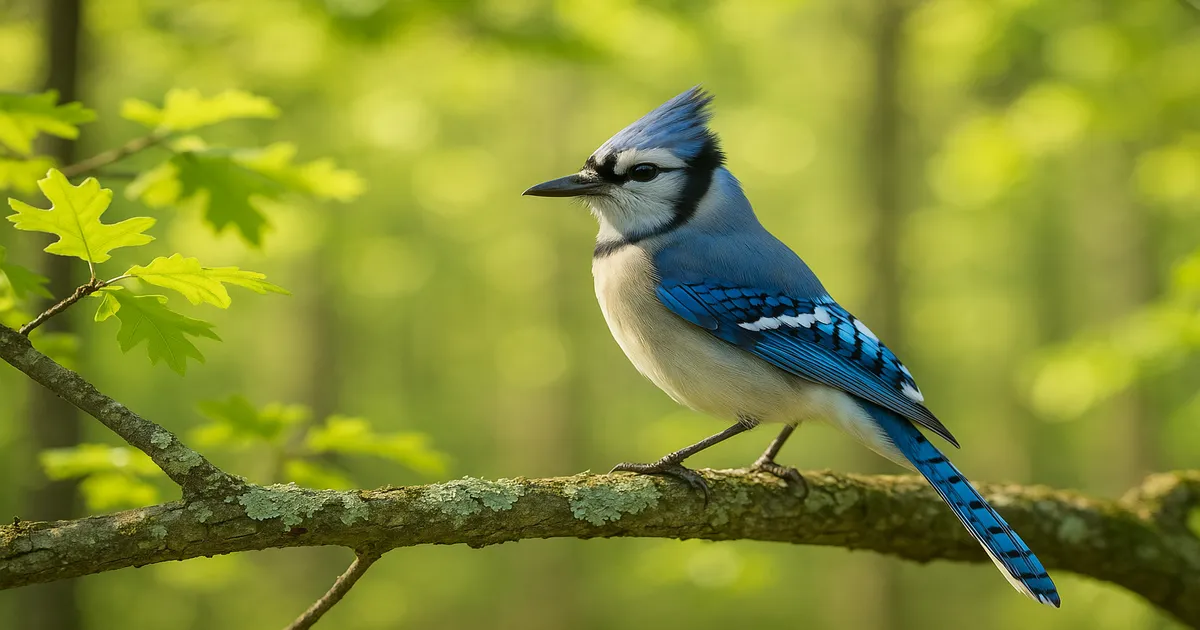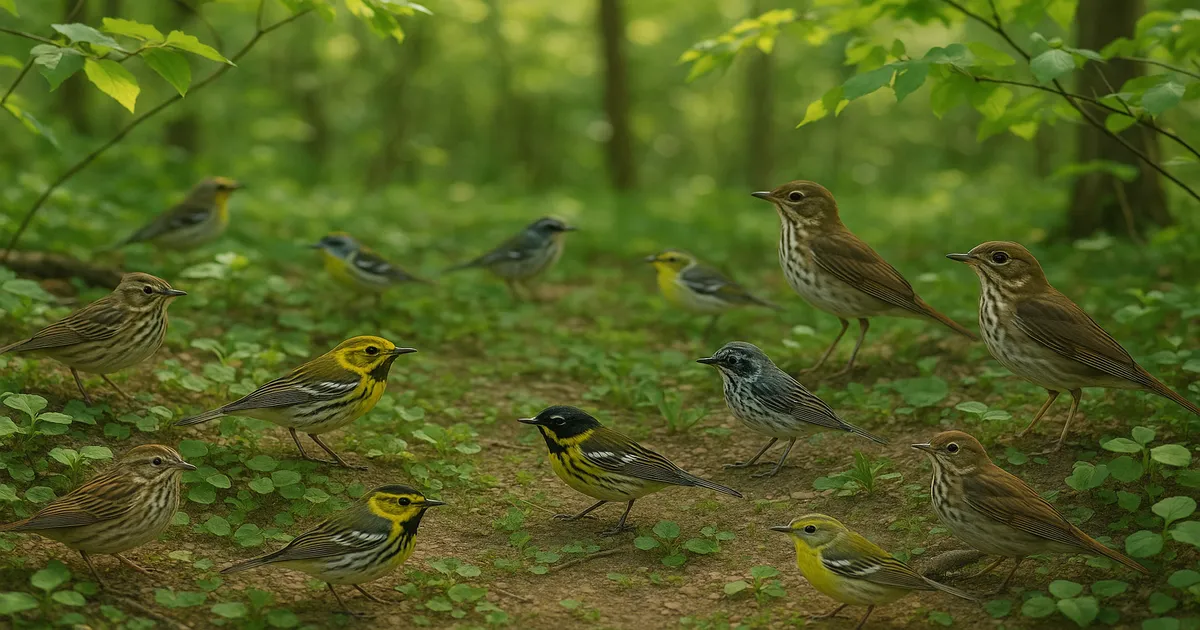
Quick Answer: To identify a bird or other creature, start with size and shape, then check bill type, plumage patterns, habitat, and behavior together. Apps like Merlin Bird ID make quick IDs possible from a photo or sound recording, but understanding the underlying field marks will make you faster and more accurate over time.
So you’ve spotted something in the yard, on a trail, or out a car window — and you’re asking yourself: can you identify the bird or other creature? The good news is that identification gets dramatically easier once you know which details to look at first. Most birders run through a mental checklist without even thinking about it, and you can learn to do the same.
How to Identify Any Bird or Creature You Spot
The Five-Second Field Check
Before you reach for your phone, take five seconds to absorb what’s in front of you. This is the GISS method — General Impression of Size and Shape — and it’s the foundation of every good ID. Ask yourself:
- How big is it compared to something I already know? (sparrow, robin, crow, goose?)
- What shape is the body — round and compact, or long and sleek?
- Is the bill thick, thin, hooked, or dagger-like?
- What’s it doing?
You won’t always nail the ID from GISS alone, but you’ll narrow 300 possible species down to a dozen in seconds.
App or Field Guide?
Merlin Bird ID (free, from Cornell Lab of Ornithology) is genuinely excellent — its Sound ID feature identifies birds from live audio in real time. Use it when you need a fast answer or you’re in unfamiliar territory.
A printed field guide earns its keep when you want to understand why something is what it is — comparing similar species side by side, studying range maps, or learning the field marks that will stick with you for years. I keep a regional Peterson guide in my pack and use Merlin on my phone. The Peterson Field Guide to Birds of Eastern North America and the app complement each other perfectly.
Step 1 — Size and Shape: Your First and Most Reliable Clue
Comparing to Familiar Benchmark Birds
Size is tricky in isolation — a bird in an open field with no reference points can fool you badly. The trick is to compare it mentally to a bird you already know cold:
- Sparrow-sized: ~5–6 inches (13–15 cm) — House Sparrow or Dark-eyed Junco
- Robin-sized: ~10 inches (25 cm) — American Robin is the universal benchmark
- Crow-sized: ~17–21 inches (43–53 cm) — American Crow, Ring-billed Gull
- Goose-sized: ~30–43 inches (76–109 cm) — Canada Goose, Great Blue Heron
Body Proportions: Tail, Neck, and Wing Shape
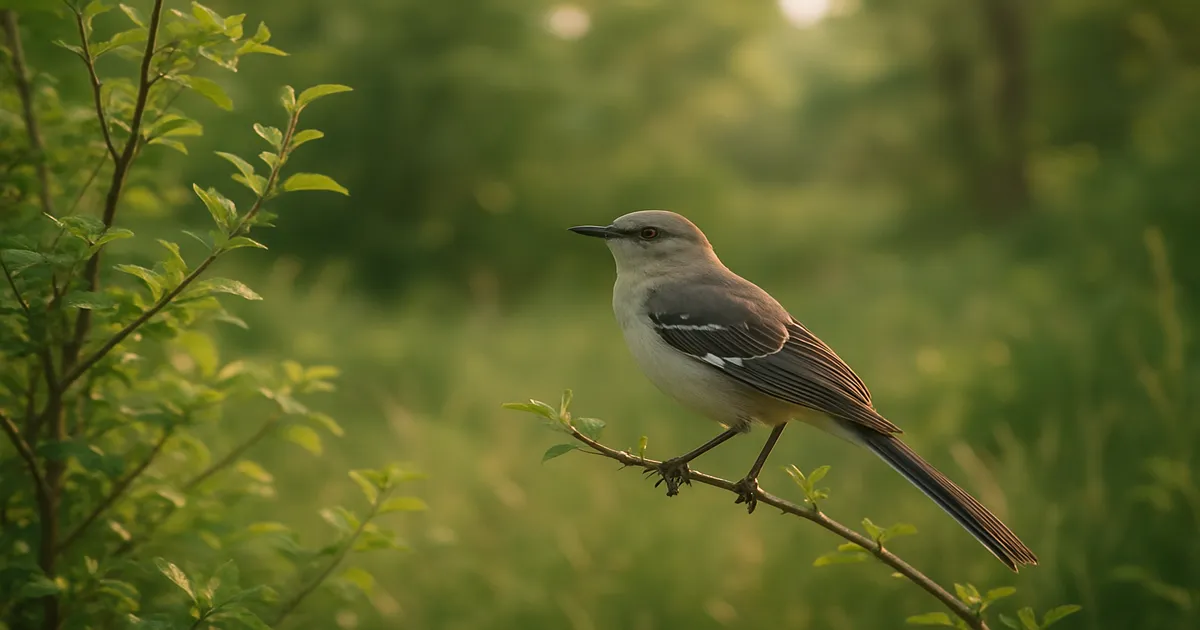
Once you’ve placed the bird in a size class, look at proportions. A Northern Mockingbird (Mimus polyglottos) and a Gray Catbird (Dumetella carolinensis) are similar in size, but the mockingbird’s tail looks almost absurdly long relative to its body. A Winter Wren (Troglodytes hiemalis), by contrast, has a stubby tail it cocks nearly vertical. That difference alone puts them in separate families before you’ve seen a single color.
Neck length matters too. Great Blue Herons (Ardea herodias) fold their neck into an S-curve in flight — a quick way to separate them from Sandhill Cranes, which fly with neck fully extended.
Wing shape is one of the most underrated ID tools:
- Long, pointed wings — built for speed: falcons, swifts, shorebirds like the American Golden-Plover (Pluvialis dominica)
- Short, rounded wings — built for maneuverability: accipiters (Cooper’s Hawk, Sharp-shinned Hawk), owls, woodland species
- Long, broad, fingered wings — built for soaring: Turkey Vultures (Cathartes aura), Bald Eagles (Haliaeetus leucocephalus), Red-tailed Hawks (Buteo jamaicensis)
Step 2 — Bill Shape and Plumage: Reading the Field Marks
Bill Shape as an Ecological Fingerprint
The bill tells you what a bird eats, and what it eats tells you where it lives and how it behaves. It’s a chain of clues.
| Bill Type | Shape | Diet | Example |
|---|---|---|---|
| Seed-cracker | Short, thick, conical | Seeds, grains | Northern Cardinal (Cardinalis cardinalis) |
| Insect probe | Long, thin, curved | Insects, bark invertebrates | Brown Creeper (Certhia americana) |
| Raptor hook | Hooked, powerful | Meat, carrion | Red-tailed Hawk |
| Spear | Long, straight, dagger-like | Fish, amphibians | Great Blue Heron |
| Strainer | Broad, flat, lamellate | Aquatic plants, invertebrates | Mallard (Anas platyrhynchos) |
| Warbler | Thin, pointed, fine | Insects, spiders | Yellow Warbler (Setophaga petechia) |
| Crossbill | Crossed mandibles | Conifer seeds | Red Crossbill (Loxia curvirostra) |
Key Plumage Patterns: Eyebrow Stripes, Wing Bars, and Rump Patches
Once you’ve got size and bill sorted, work through the field marks systematically:
- Supercilium (eyebrow stripe): Bold white-and-yellow on a White-throated Sparrow (Zonotrichia albicollis); absent on a Song Sparrow
- Eye ring: A complete bold white ring is a key mark on the Nashville Warbler (Leiothlypis ruficapilla)
- Wing bars: One or two? Broad or narrow? Most wood-warblers show one or two white bars
- Breast markings: Streaked, spotted, or plain? A heavily streaked breast on a sparrow-sized bird points toward sparrows and thrushes
- Rump patch: The Yellow-rumped Warbler (Setophaga coronata) is literally named for this — flash that yellow rump in flight and the ID is done
- Tail pattern: White outer tail feathers are diagnostic on Eastern Towhees (Pipilo erythrophthalmus) and most juncos
Male, Female, and Juvenile: Why the Same Species Can Look Completely Different
This trips up new birders constantly. American Goldfinches (Spinus tristis) are a classic example — the breeding male is brilliant yellow with a black cap and black wings, while the female is a dull olive-yellow year-round. See both without knowing they’re the same species and you’ll think you’ve found two different birds.
Juvenile plumage is its own puzzle. First-year Bald Eagles are entirely dark brown — no white head, no white tail — and it takes roughly five years to reach full adult plumage, with each year looking slightly different. Juvenile European Starlings (Sturnus vulgaris) are uniformly grayish-brown and look almost nothing like the iridescent adults. When in doubt with a juvenile, lean heavily on size, shape, behavior, and habitat rather than color.
Step 3 — Calls and Songs: Can You Identify the Bird or Other Creature by Ear?
Why Sound Is Often More Reliable Than Sight
In dense vegetation — a thicket, a forest interior, a cattail marsh — you’ll hear far more birds than you’ll ever see. I’ve confirmed more Ovenbirds (Seiurus aurocapilla) by their ringing teacher-teacher-TEACHER than I ever have by actually spotting one. For many species, sound is simply the most practical ID tool available.
Iconic Bird Sounds and How to Remember Them
A few mnemonics worth burning into memory:
- American Robin (Turdus migratorius): Rich caroling phrases — cheerily, cheer-up, cheerio — the sound of a suburban spring morning
- Barred Owl (Strix varia): “Who cooks for you? Who cooks for you-all?” — often heard at dusk and dawn
- Common Loon (Gavia immer): That haunting, yodeling wail. Once you’ve heard it on a northern lake, you never forget it
- Black-capped Chickadee (Poecile atricapillus): A clear, two-note whistled fee-bee and the familiar chick-a-dee-dee-dee — more dee notes signals a nearby predator
- Veery (Catharus fuscescens): A descending, spiraling, flute-like veer-veer-veer — one of the most ethereal sounds in eastern forests
- Eastern Wood-Pewee (Contopus virens): Plaintive, slurred pee-a-wee — a classic lazy summer afternoon in eastern woods
Merlin Sound ID is the easiest entry point — open the app, tap Sound ID, and it names birds from live audio in real time. BirdNET (Cornell Lab and Chemnitz University) is worth knowing for analyzing recordings you’ve already made. Neither app is infallible in noisy environments or with overlapping songs, but both beat trying to describe a sound to someone else and hoping they recognize it.
A good pair of binoculars helps you follow a singing bird to a perch once you’ve heard it. (Nikon Monarch M5 8x42)
Habitat and Range: Where You Are Tells You What You’re Seeing
Habitat is one of the fastest ID filters available. A bird in a cattail marsh is almost certainly not the same species as one in a spruce bog, even if they look similar at a glance.
Eastern Deciduous Forest: Downy Woodpecker (Dryobates pubescens), Wood Thrush (Hylocichla mustelina), Scarlet Tanager (Piranga olivacea), Ovenbird
Western Coniferous Forest: Steller’s Jay (Cyanocitta stelleri), Townsend’s Warbler (Setophaga townsendi), Clark’s Nutcracker (Nucifraga columbiana)
Grasslands & Open Country: Western Meadowlark (Sturnella neglecta), Bobolink (Dolichonyx oryzivorus), Rough-legged Hawk (Buteo lagopus) in winter
Wetlands & Marshes: Great Blue Heron, Red-winged Blackbird (Agelaius phoeniceus), Belted Kingfisher (Megaceryle alcyon), Common Yellowthroat (Geothlypis trichas)
Suburban & Urban: American Crow (Corvus brachyrhynchos), Mourning Dove (Zenaida macroura), Cooper’s Hawk (Accipiter cooperii) — which follows feeder birds right into backyards
Knowing your region and the current month will eliminate half your candidate species before you’ve even looked at field marks. Most familiar backyard birds operate from sea level up to about 5,000 feet (1,524 m). Above treeline, you’re in different territory — White-tailed Ptarmigan (Lagopus leucura) on alpine tundra, American Pipits (Anthus rubescens) breeding above 6,000 feet (1,829 m) in the Rockies.
Behavior and Movement: How a Bird Acts Is Who It Is
Watch what a bird does for thirty seconds and you’ll often have your answer. The Brown Creeper (Certhia americana) always spirals up a tree trunk; the White-breasted Nuthatch (Sitta carolinensis) walks headfirst down — a reliable distinction even at a distance. A few more worth knowing:
- Eastern Phoebe (Sayornis phoebe): Sallies from a perch to snatch an insect, returns to the same spot. Repeat. Also pumps its tail downward persistently — no other eastern flycatcher does this as consistently.
- Chimney Swift (Chaetura pelagica): Never perches voluntarily. If it lands, something is wrong.
- Belted Kingfisher: Dives headfirst from a perch; Osprey (Pandion haliaetus) plunges feet-first from a hover.
- Palm Warbler (Setophaga palmarum): Wags its tail constantly while foraging on the ground, separating it from most other warblers.
- Turkey Vulture: Holds wings in a shallow V and rocks side to side while soaring — a flat-winged soarer at the same size is almost certainly a hawk.
- American Kestrel (Falco sparverius): Hovers over open fields hunting mice; Osprey hovers before a plunge dive.
Flight style is readable at long range when plumage details aren’t. Woodpeckers and goldfinches use an undulating flap-flap-fold pattern that’s very distinctive. Common Nighthawks (Chordeiles minor) have irregular, bat-like wingbeats with bold white wing patches — nothing else looks quite like it at dusk.
Seasonal Patterns: The Time of Year Changes Everything
Spring migration (March–May) is peak season. Warbler waves hit the eastern U.S. in late April through mid-May, often concentrated after cold fronts ground northbound migrants overnight. Ruby-throated Hummingbirds reach the Gulf Coast by mid-March and the Great Lakes by early May — have your nectar feeders up and ready. (Aspects HummZinger Ultra 12 oz Hummingbird Feeder)
Fall migration is more drawn-out than spring and harder to work. Juveniles in fresh but confusing plumage dominate August and September — the “fall warbler problem” is a genuine rite of passage. Hawk migration at ridge sites like Hawk Mountain in Pennsylvania produces spectacular concentrations of buteos and accipiters in October; a spotting scope makes a real difference there.
Winter simplifies things. The species list shrinks, birds flock up (which makes them easier to find), and irruptive visitors like Snowy Owls (Bubo scandiacus) and Snow Buntings (Plectrophenax nivalis) appear when Arctic food sources crash. If something looks unusual in January, look twice — winter rarities are real.
Not everything follows the summer nesting script, either. Great Horned Owls (Bubo virginianus) begin incubating in January or February, sometimes in snow. American Woodcocks (Scolopax minor) start their sky-dance displays in late February and March — one of the great early-season spectacles if you know where to look.
Frequently Asked Questions: Can You Identify the Bird or Other Creature?
What’s the fastest way to identify a bird I just saw? Start with size relative to a bird you know, then note body shape and bill type. If you have a photo, run it through Merlin Bird ID. If you only heard it, use Merlin Sound ID. Those two steps will get you to a confident ID the majority of the time.
What app is best for identifying birds from a photo or sound? Merlin Bird ID (free, Cornell Lab) handles both photos and live audio and covers most of North America. For analyzing recordings after the fact, BirdNET is a strong alternative. iNaturalist works well for non-bird wildlife — insects, reptiles, plants — using the same photo-ID approach.
Why does the same bird look different depending on the season? Many species have distinct breeding and non-breeding plumages. American Goldfinches are bright yellow in summer and dull olive in winter. Shorebirds like Dunlins are heavily marked in spring and nearly plain in fall. Add in the difference between males, females, and juveniles, and one species can produce half a dozen different-looking birds across a year.
How do I tell a hawk from a vulture in flight? Turkey Vultures hold their wings in a shallow V (dihedral) and rock side to side — they look unstable. Hawks generally hold their wings flat or slightly raised and soar more steadily. At close range, a vulture’s small, bare red head is unmistakable.
What should I do if I think I’ve spotted a rare bird? Take as many photos or video clips as you can, note the exact location and time, and write down every field mark you observed while the memory is fresh. Then check eBird’s recent sightings for your area to see if others have reported it. If it’s genuinely unusual, post to your local birding Facebook group or listserv — experienced local birders will want to know.