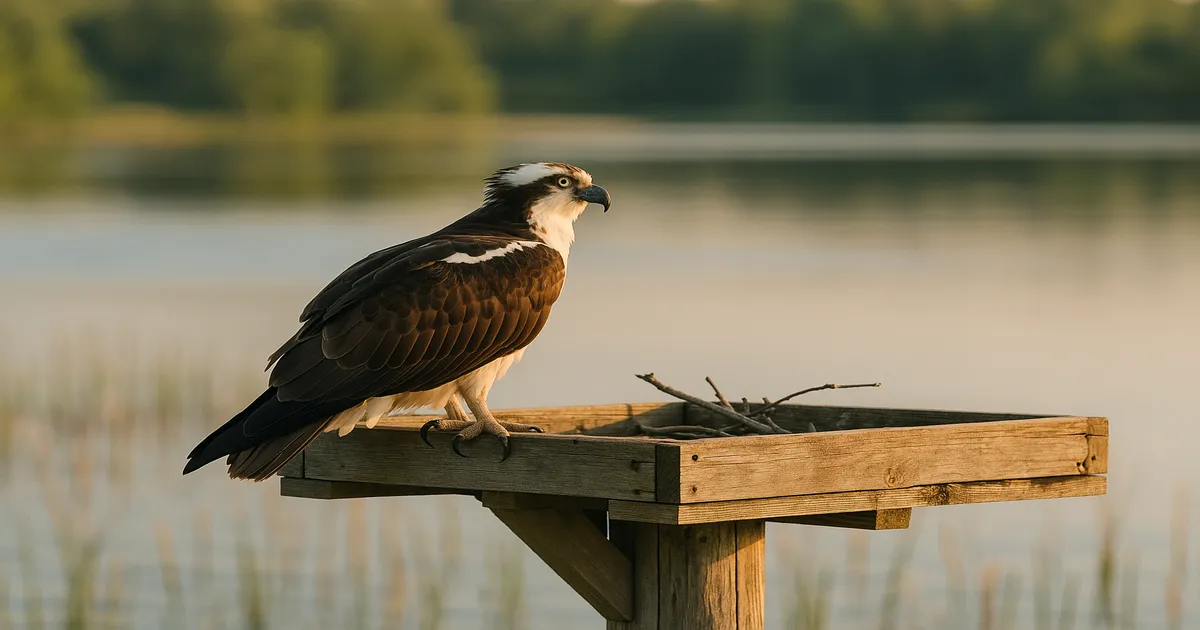
Quick Answer: Whether it’s too late for an Osprey in Upstate NY to successfully nest this year depends almost entirely on the current date. Mid-May or earlier still leaves a real window; late May is marginal but biologically possible; June or later makes fledging a healthy, migration-ready juvenile extremely unlikely. The hard deadline isn’t arbitrary — it’s set by a 3,000–5,000 mile migration that young birds must be physically ready to complete.
If you’re watching a pair of Ospreys (Pandion haliaetus) circling a nest platform in Upstate New York and wondering whether they can still pull off a successful season, you’re asking exactly the right question. The Osprey’s nesting calendar is tight — arrival in late March, eggs in May, fledging in late July or August, departure by October. Stack those stages end to end and there isn’t much slack in the system. So: is it too late for an Osprey in Upstate NY to successfully nest this year? Here’s how to read the situation.
Is It Too Late for an Osprey in Upstate NY to Nest This Year?
The Answer Depends on the Date
The calendar is the whole ballgame. A pair still laying eggs in early to mid-May is behind the curve but can realistically fledge chicks in time. A pair starting incubation in late May is in genuinely risky territory. And if you’re seeing courtship or nest-building in June, the honest answer is that the odds of producing a fledgling capable of surviving migration are very low.
Why Timing Is Everything for Osprey Nesting Success
Osprey chicks don’t just need to hatch — they need roughly 50–55 days in the nest, then additional weeks of post-fledging time to develop the fishing skills required to feed themselves on a solo trip to South America. An underprepared juvenile heading into migration faces extremely high mortality. That biological clock, not any arbitrary rule, is what makes late-season nesting such a gamble.
Osprey Nesting Season Timeline in Upstate NY
When Do Ospreys Arrive in Upstate New York?
Male Ospreys typically show up first, arriving in Upstate NY in late March to early April to claim and begin refurbishing the nest. Females follow within days to a couple of weeks, and established pairs often reunite at the exact same nest site year after year. Peak spring migration through the region runs through mid-April.
Stage-by-Stage Nesting Calendar
Here’s how the full sequence plays out in a typical Upstate NY season:
| Stage | Typical Timing |
|---|---|
| Male arrival / nest prep | Late March – early April |
| Female arrival / pair bonding | Early to mid-April |
| Egg laying | Late April – mid-May (peak: early May) |
| Incubation | ~38 days |
| Hatching | Late May – mid-June |
| Nestling period | ~50–55 days |
| Fledging | Late July – mid-August |
| Post-fledging dependency | August – September |
| Fall departure | September – October |
When Do Osprey Chicks Fledge?
Most Upstate NY Osprey chicks take their first flights in late July through mid-August. Fledging isn’t the finish line, though — juveniles remain dependent on their parents for food while they practice hunting, and that learning period matters enormously. A chick that fledges in late September simply won’t have enough time to develop before needing to fly thousands of miles south.
Too Late to Nest? A Month-by-Month Assessment for Upstate NY Ospreys
Mid-May and Earlier: Still Possible
A pair beginning incubation in early to mid-May is cutting it close but still in the game. Eggs laid in mid-May would hatch around mid-June, putting fledging in mid-August — tight, but workable. Late-nesting pairs do occasionally pull it off in years when the season gets off to a slow start, so don’t write them off yet.
Late May: Marginal but Biologically Feasible
This is where things get uncomfortable. Incubation starting in late May means hatching around early July and fledging in late August or even September. That leaves almost no buffer for the post-fledging skill-building period before migration pressure mounts. It can happen, but the margin for error — a stretch of bad weather, a prolonged fish shortage, Bald Eagle harassment — shrinks to almost nothing.
June and Beyond: Very Unlikely to Succeed
At this point, the math works against the birds. A June start to incubation puts fledging in late August at the absolute earliest, and juveniles fledging that late rarely develop the fishing competence needed to survive a solo migration to South America. Most Osprey researchers consider June-initiated nesting attempts functionally unsuccessful before they’ve even started.
Do Ospreys Attempt Replacement Clutches?
Yes, but with a critical caveat. Ospreys will re-nest if eggs are lost early in incubation — typically within the first two weeks. Lose a clutch in the first week of May and a replacement attempt is biologically reasonable. Lose a clutch in late May, or after chicks have hatched, and the pair will almost certainly abandon the season entirely. Late-season nest failures lead to early departure, not heroic second attempts.
Identifying an Osprey in Upstate New York
Key Field Marks
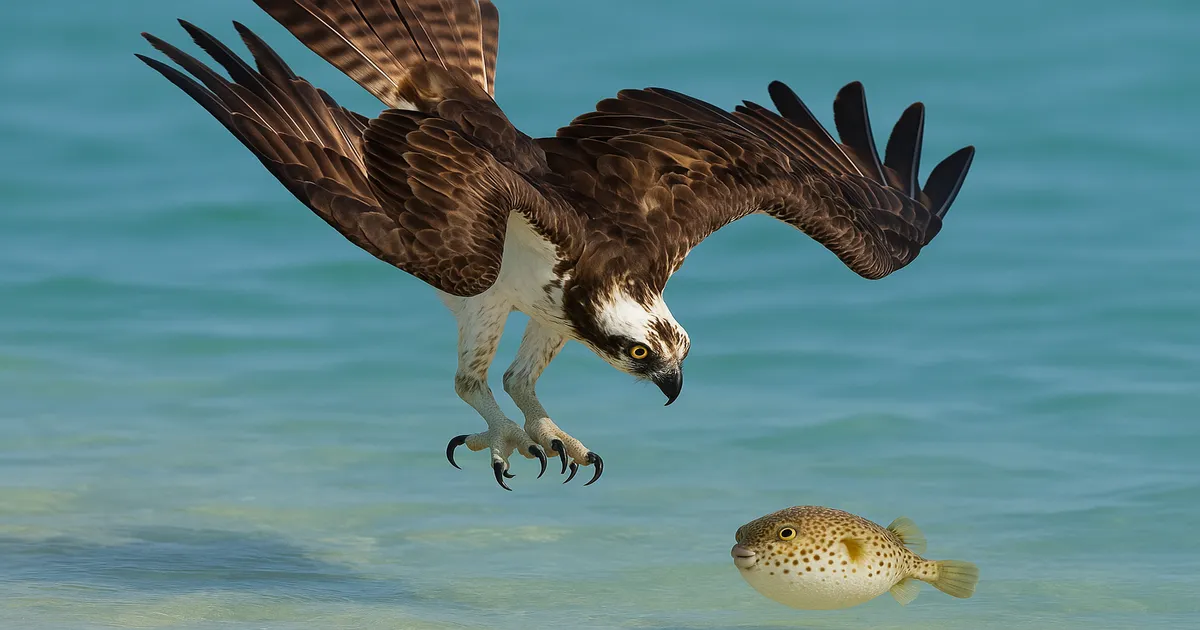
The Osprey runs 21–23 inches (53–58 cm) long with a wingspan of 59–71 inches (150–180 cm) — big enough that you won’t mistake it for a small hawk once you’ve seen one. The overall pattern is stark: dark brown above, bright white below. That contrast alone, visible from surprising distances over open water, is often your first clue.
The Distinctive Kinked Wing Shape in Flight
No other large raptor in North America holds its wings quite like an Osprey. They bow at the wrist and angle back, creating a kinked “M” silhouette that’s instantly recognizable once you know it. Pair that shape with the habit of hovering nearly stationary over water before a dive, and you’ve got a bird that essentially identifies itself.
The dark carpal patches on the underside of the wings are another reliable mark, visible even at distance through a good pair of binoculars. (Nikon Monarch M5 8x42)
Male vs. Female: How to Tell Them Apart
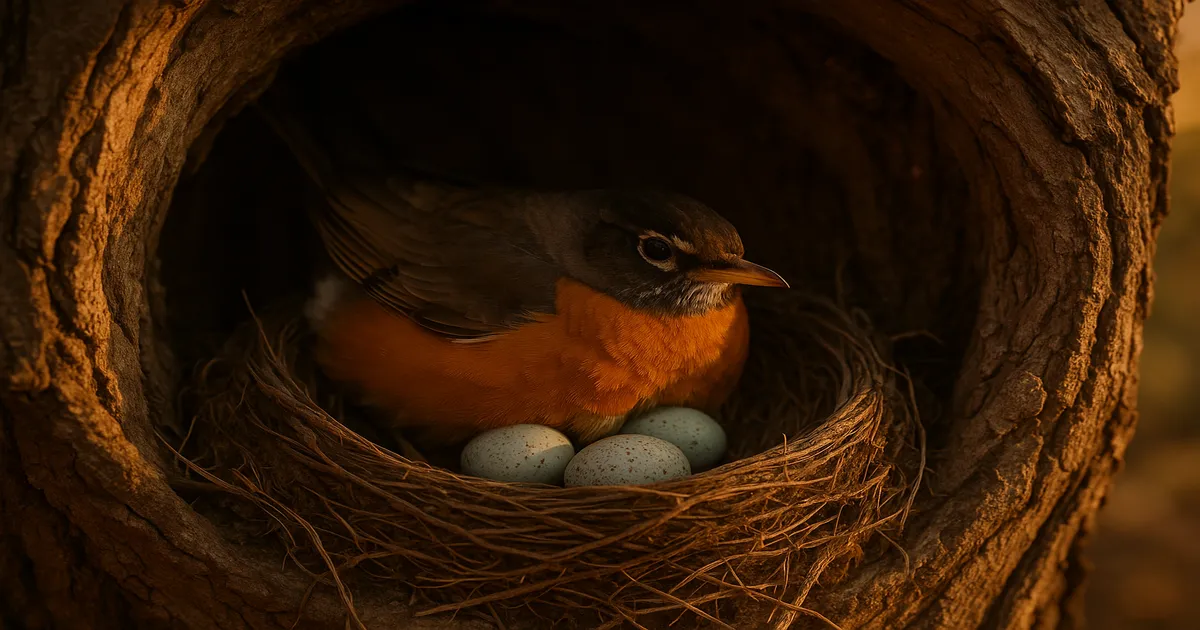
Females are noticeably larger than males — reverse sexual dimorphism, common in raptors. The most reliable field mark for sex is the breast: females show a streaked brown “necklace” across the upper chest, while males are clean white below. At a nest, the larger bird sitting on eggs is almost always the female.
Juvenile Ospreys
Young Ospreys show pale buff or orange-tipped feathers on the back and upperwing coverts, giving them a scalloped appearance unlike the clean brown of adults. Their irises are orange-red rather than the bright yellow of adults — a detail you’ll need a spotting scope to appreciate from a respectful distance. (Vortex Optics Diamondback HD 20-60x85)
Where to Find Ospreys in Upstate NY
Prime Locations
Ospreys are water birds, full stop. Your best bets in Upstate NY:
- Hudson River corridor, particularly from the mid-Hudson Valley northward
- Finger Lakes — Cayuga, Seneca, and Keuka especially
- Lake Ontario shoreline and nearby bays
- Lake Champlain and its connecting waterways
- St. Lawrence River and the Thousand Islands region
- Major reservoirs including Ashokan, Cannonsville, and Pepacton
What Makes a Good Nesting Site?
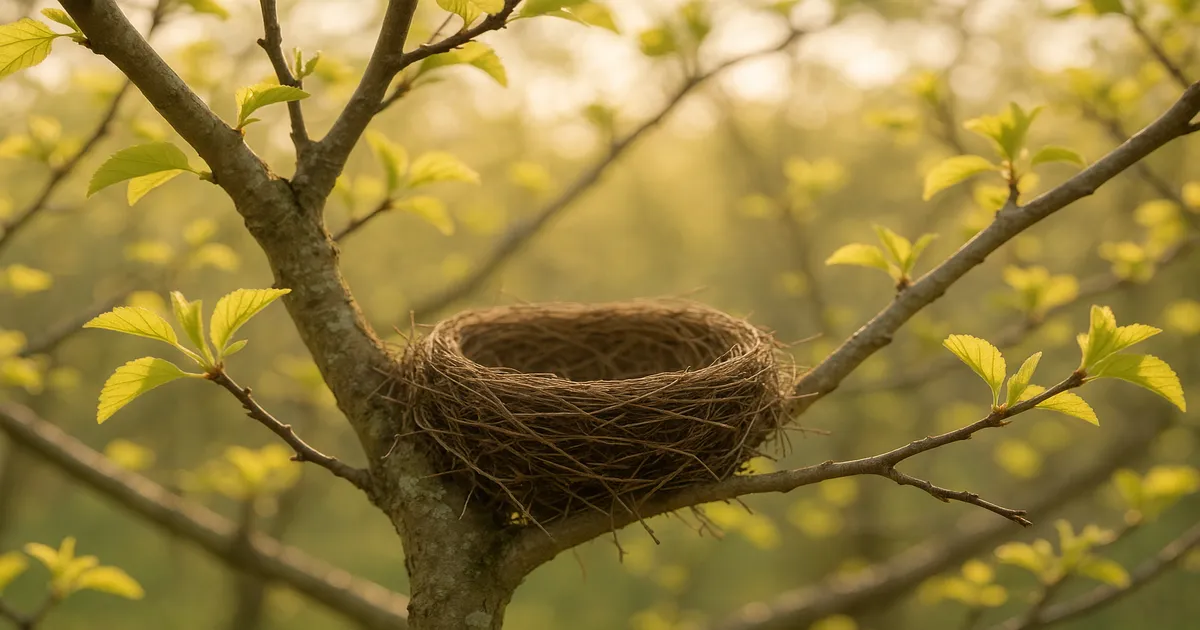
Clear, shallow water — typically less than 3 feet (1 m) deep — is non-negotiable. Ospreys hunt by sight and need to see fish near the surface. An elevated nest structure within reasonable flight distance of that fishing water completes the picture. Dead snags, channel markers, utility poles, and artificial platforms all work. The recovery of Osprey populations in New York is inseparable from the proliferation of artificial nest platforms installed by the NY DEC and conservation organizations — if you see an Osprey nest on a wooden platform, that structure almost certainly played a role in the bird being there at all.
Behavior: Hunting, Migration, and Nest Threats
The Feet-First Plunge Dive
Ospreys hunt by soaring or hovering 30–100 feet (9–30 m) above the water, scanning for fish near the surface, then folding into a feet-first plunge that often takes them fully underwater. Success rates range from roughly 25–70% depending on conditions — genuinely impressive for a bird hunting through a refractive surface. After a catch, the Osprey shakes off mid-flight and rotates the fish headfirst for aerodynamic efficiency before heading back to the nest.
Fall Migration Routes
Adults start heading south in late August through September; juveniles follow in September and October, migrating independently of their parents. The main corridors follow the Appalachian ridges and Atlantic coastline. Hawk Mountain Sanctuary in Pennsylvania and Cape May in New Jersey are the standout count sites where Ospreys stream through in impressive numbers during peak fall migration.
Bald Eagle Harassment
As Bald Eagle (Haliaeetus leucocephalus) populations have rebounded across Upstate NY, kleptoparasitism — eagles stealing fish directly from Ospreys — has become a regular occurrence. An adult Osprey that gets robbed repeatedly has to fish longer to keep chicks fed, and persistent harassment near the nest can affect productivity. It’s one of the real current pressures on an otherwise recovering population.
Conservation: From Near-Extinction to Recovery
DDT contamination caused catastrophic eggshell thinning in Ospreys and other raptors from the 1950s through the early 1970s. Populations in the Northeast crashed by over 90% in some areas. The ban of DDT in 1972, combined with aggressive nest platform programs, turned the trajectory around. New York’s Osprey population has rebounded dramatically — one of the genuine conservation wins of the past 50 years.
Current threats are less acute but real: monofilament entanglement (fishing line incorporated into nests can fatally tangle chicks), plastic debris in nests, human disturbance from recreational boating near platforms during the breeding season, Bald Eagle competition, mercury contamination in certain water bodies, and the emerging question of how climate-driven shifts in fish distribution will affect nesting timing.
A Peterson Field Guide to Birds of Eastern and Central North America is worth keeping in the car if you’re spending time at Osprey sites — the range maps and plumage plates hold up well for aging and sexing birds in the field.
Osprey vs. Similar Birds
| Feature | Osprey | Bald Eagle (adult) | Northern Harrier | Turkey Vulture |
|---|---|---|---|---|
| Wing shape | Kinked “M” | Flat | Flat, tilting | Strong V |
| Underparts | White | White belly, dark body | Pale | All dark |
| Head pattern | White + dark eye stripe | Solid white | Pale, facial disc | Small, red |
| Distinctive mark | Carpal patches, hovers | Massive yellow bill | White rump | Rocking flight |
| Water association | Always | Often | Wetlands | None |
The two species most likely to cause confusion are Bald Eagle and Northern Harrier. Adult Bald Eagles have a solid white head and tail with no eye stripe; Ospreys have a white head crossed by a bold dark brown stripe through the eye. Bald Eagles soar on flat wings and are simply massive — up to 96 inches (244 cm) wingspan versus the Osprey’s 71 inches (180 cm). Northern Harriers show a white rump patch that’s completely absent on Ospreys, and they fly low over marshes in a tilting, buoyant glide rather than soaring high and hovering over open water.
Frequently Asked Questions
What month do Ospreys start nesting in New York State?
Egg laying typically runs from late April through mid-May, peaking in early May for most established pairs. Males arrive as early as late March to claim and refurbish the nest. By late May, most pairs in Upstate NY are already well into incubation.
Will an Osprey re-nest if its eggs are destroyed?
Only if the loss happens early — within roughly the first two weeks of incubation. Lose a clutch late in incubation, or after chicks have hatched, and the pair will almost certainly abandon the season rather than start over.
How long until Osprey chicks become independent?
Chicks spend approximately 50–55 days in the nest before fledging, then remain dependent on their parents for food while developing hunting skills over several additional weeks. From egg to genuinely independent juvenile is roughly 4–5 months — which is exactly why the timing of egg-laying matters so much.
When do Ospreys leave Upstate New York?
Adults begin departing in late August through September. Juveniles follow in September through October, migrating independently without guidance from their parents. Hawk Mountain in Pennsylvania and Cape May in New Jersey are the best places to watch them move through in numbers.
How can I tell if an Osprey nest is still active?
An active nest will have at least one adult present most of the time, either incubating or standing guard. Later in the season, look for the large fluffy heads of nestlings visible above the nest rim — a reliable sign of a successful hatch. If the nest has been empty across multiple visits, the pair has likely abandoned or already fledged their young. A spotting scope lets you read nest activity without getting close enough to disturb the birds. (Celestron Regal M2 80ED)