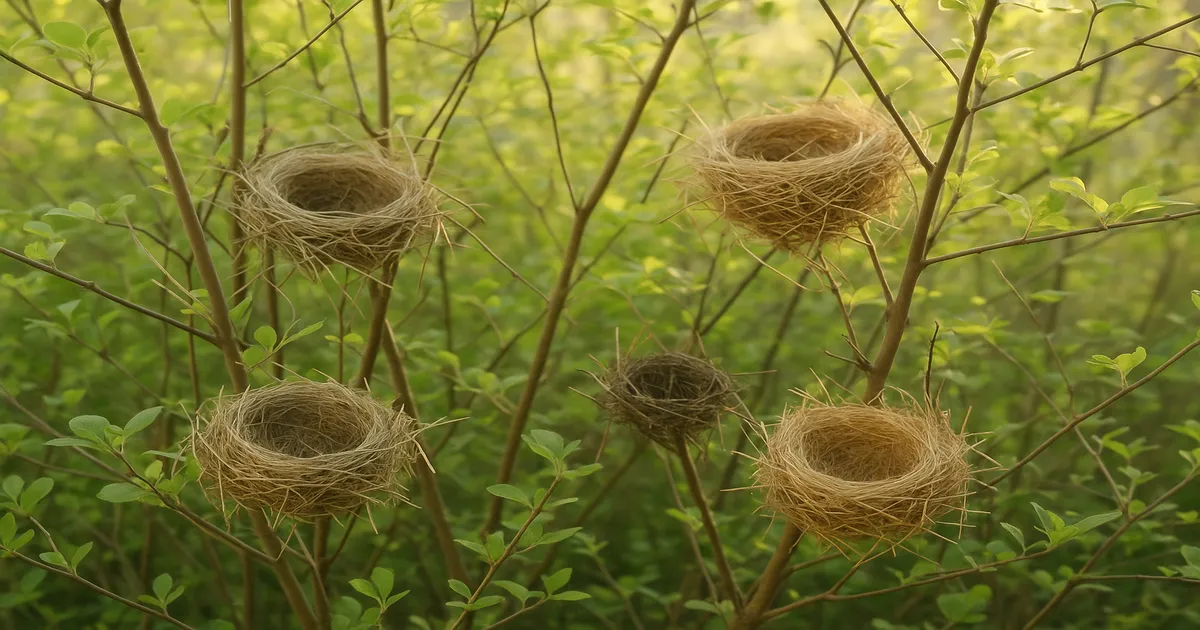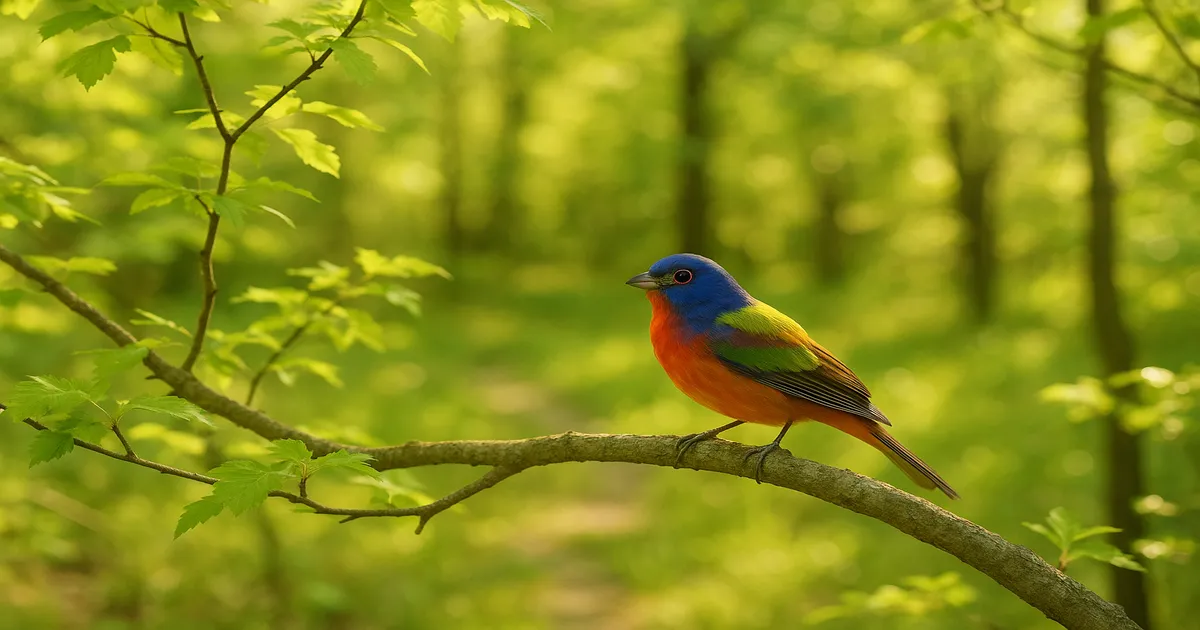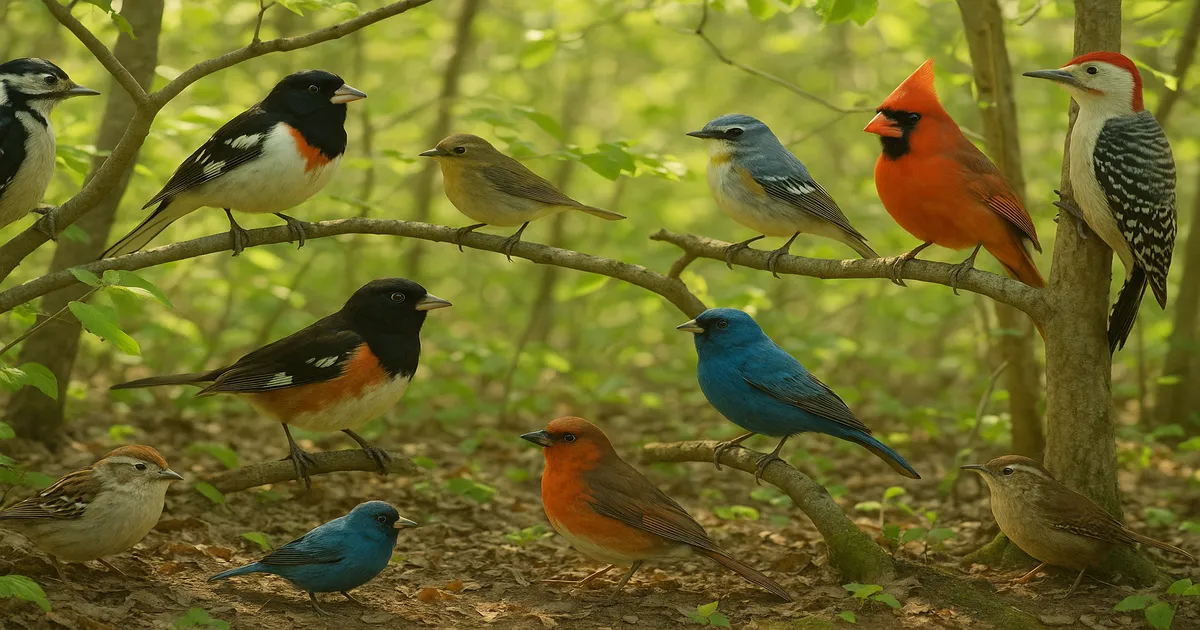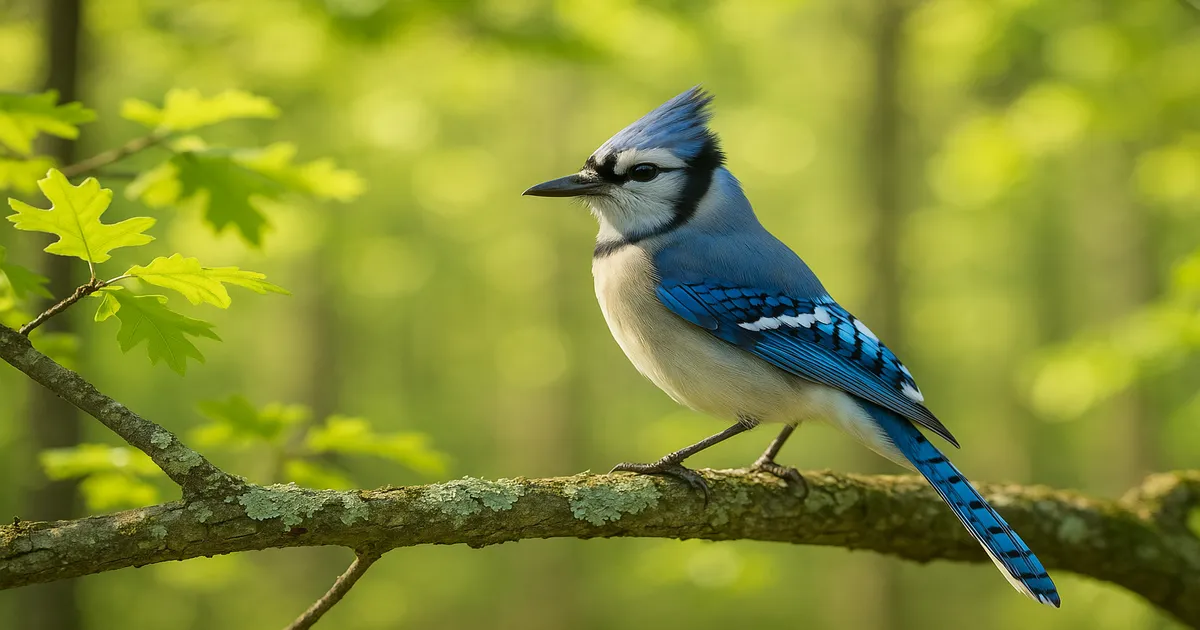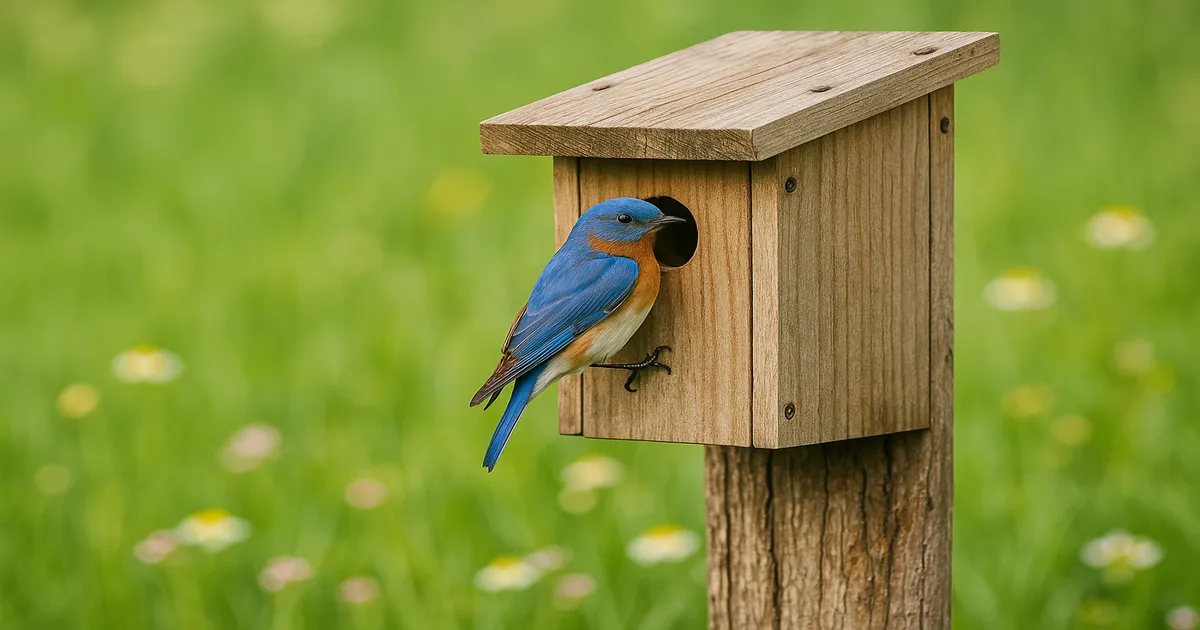
Quick Answer: A bluebird nest is a neat, loosely woven cup of dry grasses placed in the bottom of a cavity or nest box — no feathers in the lining, no mud, no twigs. The eggs are pale blue (occasionally white). All three North American bluebird species — Eastern, Western, and Mountain — follow this same basic pattern, making a clean grass cup with pale blue eggs your fastest field identification.
Knowing how to identify a bluebird nest is one of the most satisfying skills you can pick up as a nest box host or backyard birder. Once you’ve seen a few, the neat straw-colored cup is instantly recognizable. Until then, it’s easy to confuse it with the work of Tree Swallows, House Wrens, or House Sparrows sharing the same boxes. This guide walks you through everything you need for a confident ID — materials, eggs, timing, and the comparison table that makes it click.
North America’s Three Bluebird Species: Know Who Built the Nest
All three North American bluebirds belong to the genus Sialia, and all three are obligate secondary cavity nesters — none of them can excavate their own holes. They depend entirely on old woodpecker cavities, rotted fence posts, and nest boxes. Their nests are similar enough that geography is often your best first clue about which species you’re dealing with.
Eastern Bluebird (Sialia sialis)
About 6.5–8.5 inches (16.5–21.5 cm) long, with brilliant royal-blue upperparts and a rich rusty-orange breast. Females are duller — grayish-blue above, pale orange-buff below. This is the most widespread species, found across the eastern and southeastern U.S. from the Great Plains to the Atlantic Coast, breeding north into southern Canada.
Western Bluebird (Sialia mexicana)
Slightly smaller at 6.3–7.5 inches (16–19 cm). The Western looks similar to the Eastern but has a blue throat (not rusty) and often shows a chestnut patch on the upper back — and sometimes extending onto the shoulders. Found along the Pacific Coast and in interior western forests: ponderosa pine, pinyon-juniper, oak woodland. If you’re in California, Oregon, or the mountain West, this is your bird.
Mountain Bluebird (Sialia currucoides)
The largest of the three at up to 7.9 inches (20 cm). The male is an extraordinary turquoise-blue with no orange anywhere — that complete absence of warm color is the single best field mark. Females are brownish-gray with blue-tinged wings and tail, and no orange wash on the breast. Look for this species in open alpine meadows, sagebrush, and burned forests at higher elevations across the Rockies and Great Basin.
How to Identify a Bluebird Nest by Materials and Structure
Eastern Bluebird Nest: The Classic Grass Cup
The Eastern Bluebird’s nest is what most people picture: a loosely woven cup of dry grasses, sometimes with pine needles mixed in (especially in southeastern populations). The interior is lined with finer grasses, giving it a clean, tidy look. Color runs pale straw to golden-tan.
What’s absent matters as much as what’s there. No feathers. No mud. No twigs. If you see any of those, you’re looking at a different bird.
The cup measures roughly 2.5–3 inches (6.4–7.6 cm) in diameter and 1.5–2 inches (3.8–5.1 cm) deep. It sits loosely in the bottom of the cavity without being packed tight. The female builds the entire nest herself — the male accompanies her and guards the cavity, but he doesn’t do the construction.
Western Bluebird Nest: Subtle Differences
Very similar to the Eastern’s nest — loosely woven dry grasses and plant fibers. The Western may incorporate more weed stems and bark strips, and occasionally a feather or two will appear in the lining (more than Eastern, far less than Tree Swallow). If you’re in the West and you see a neat grass cup with one or two feathers, don’t immediately rule out bluebird.
Mountain Bluebird Nest: Sparse and Minimal
The Mountain Bluebird’s nest is the least substantial of the three. It’s still a grass cup, but it often looks thin — fewer materials, less bulk, sometimes with plant fibers and rootlets filling in where grass is scarce at high elevations. Feathers are rare. The overall impression is “barely there” compared to an Eastern Bluebird nest.
Placement Inside the Cavity
Regardless of species, the nest sits in the bottom third of the cavity and doesn’t fill the entire space. When you open a nest box and peer inside, a bluebird nest looks settled and compact rather than stuffed.
Bluebird Eggs: Color, Clutch Size, and Incubation
Egg Color
Bluebird eggs are a soft, unmarked pale blue — almost powdery in appearance. Eastern Bluebird eggs measure approximately 0.83 × 0.62 inches (21 × 16 mm). About 5% of Eastern Bluebird nests contain white eggs instead of blue, so don’t dismiss a nest just because the eggs aren’t blue.
Clutch Size by Species
- Eastern Bluebird: 4–5 eggs (range 2–7)
- Western Bluebird: 4–6 eggs
- Mountain Bluebird: 4–8 eggs — the largest clutches of the three
If you’re looking at a nest box in the Rockies with seven pale blue eggs in a sparse grass cup, Mountain Bluebird is a very strong bet.
Incubation and Nestling Period
The female incubates alone for 12–14 days across all three species. Nestlings stay in the nest for 16–21 days, fed by both parents — and in Eastern Bluebirds, sometimes by helper birds (often offspring from an earlier brood). Fledglings continue to receive parental care for another 3–4 weeks after leaving the nest.
Bluebird Nest vs. Other Cavity Nesters: Side-by-Side Comparison
If you manage nest boxes, you’ll encounter other species using them. A quick look inside tells you a lot.
Tree Swallow (Tachycineta bicolor): Feathers are the giveaway — lots of them, often curved over the eggs. The base is grasses, similar to bluebird, but that deep feathery lining is unmistakable. No bluebird nest looks like that.
House Wren (Troglodytes aedon): Fills the box with a mass of small twigs, sometimes so many it’s hard to find the actual cup buried inside. It looks like someone dumped a pile of sticks in the box. A bluebird nest is the opposite: minimal, tidy, no twigs.
House Sparrow (Passer domesticus): Bulky, messy nests stuffed with grasses, feathers, trash, and string. The whole thing often has a domed quality and smells musty. Bluebird nests are clean and smell like dry grass.
Quick Comparison Table
| Feature | Eastern Bluebird | Western Bluebird | Mountain Bluebird | Tree Swallow | House Wren | House Sparrow |
|---|---|---|---|---|---|---|
| Primary material | Dry grasses | Dry grasses/stems | Dry grasses/fibers | Grasses + feathers | Mass of twigs | Grasses, trash, feathers |
| Feathers in lining | Absent | Occasional | Rare | Abundant | Occasional | Common |
| Overall impression | Neat grass cup | Neat grass cup | Sparse grass cup | Feathery, deep cup | Twig mass | Messy, bulky |
Where Bluebirds Nest: Habitat and Nest Box Setup
Habitat by Species
- Eastern Bluebird: Open woodland edges, farmland, old orchards, suburbs with short grass and scattered trees. Needs elevated perches and open ground for foraging.
- Western Bluebird: Open coniferous and mixed forests, burned areas, forest clearings. Ponderosa pine and oak woodland are prime real estate.
- Mountain Bluebird: The most open-country specialist of the three. Alpine meadows, sagebrush flats, open grasslands — will forage far from any trees.
Bluebirds historically relied on old woodpecker holes — particularly those excavated by Downy Woodpeckers (Dryobates pubescens) and Red-headed Woodpeckers (Melanerpes erythrocephalus) — along with rotted fence posts and natural tree hollows. As old-growth trees and wooden fence posts disappeared, so did bluebirds. Nest box programs reversed that decline dramatically.
Nest Box Specs and Placement
The North American Bluebird Society (NABS) recommends a 1.5-inch (3.8 cm) entrance hole for Eastern and Western Bluebirds, and 1.5625 inches (3.97 cm) for Mountain Bluebirds. A well-built nest box — such as the Coveside Conservation Bluebird House — should have:
- Interior floor of 4 × 4 inches (10 × 10 cm) to 5 × 5 inches (12.7 × 12.7 cm)
- Depth of 8–12 inches (20–30 cm) from entrance hole to floor
- Mounting height of 4–6 feet (1.2–1.8 m) on a smooth metal pole with a predator baffle
- Placement in open areas, 50–100 yards (45–90 m) apart on a trail, facing away from prevailing wind and afternoon sun
Bluebird Nesting Season: Timing and Monitoring
When Do Bluebirds Start Nesting?
Eastern Bluebirds are among the earliest cavity nesters in North America. In the Deep South, nest building can start in February. Further north, expect activity in March–April. Western and Mountain Bluebirds typically begin nesting April–July, constrained by later snowmelt at higher elevations. Mountain Bluebirds will scout boxes while snow is still on the ground — they’re remarkably cold-tolerant.
Broods Per Season
- Eastern Bluebird: Up to 3–4 broods in the Deep South; 2–3 in the North. Last eggs can be laid as late as August.
- Western Bluebird: Typically 1–2 broods.
- Mountain Bluebird: Typically 1–2 broods, limited by the short high-elevation season.
How to Monitor a Nest Box
Weekly checks are the standard. Bluebirds are relatively tolerant of monitoring once incubation is underway — brief, calm inspections won’t cause abandonment. A field notebook like the Rite in the Rain All-Weather Field Book or the free NestWatch app from Cornell Lab makes tracking broods across a season much easier.
Here’s what to look for at each stage:
- Nest building: Loose grasses accumulating; female making frequent trips to the box