Quick Answer: Saturate the dropping with water or detailing spray, let it soak for 30–60 seconds, then blot (never wipe) with a clean microfiber cloth. Bird droppings can begin etching your car’s clear coat within hours in summer sun, so speed is everything. If the dropping has already dried, lay a warm wet cloth over it for 5–10 minutes before attempting removal.
Bird droppings are one of the most underestimated threats to car paint. Knowing how to get bird droppings off your car safely — without scratching the finish — is something every driver needs in their back pocket. The good news: it’s not complicated. The bad news: most people’s instinct (grab a napkin and wipe) is exactly wrong, and that one mistake can cause more damage than the dropping itself.
How to Get Bird Droppings Off Your Car: The Fast Method
The 60-Second Emergency Technique
If you catch a fresh dropping, you can handle it in under a minute with almost zero risk to your paint:
- Spray generously with water, a quick detailer, or waterless wash
- Wait 30–60 seconds — don’t skip this step
- Blot straight down with a clean microfiber cloth; don’t drag it sideways
- Repeat until the area is clear
- Rinse with clean water
The soak step does the work. Your job is to lift, not scrub.
Why Speed Matters More Than Anything Else
In direct summer sun, uric acid in bird droppings can start chemically etching your clear coat within two to three hours. On a cool, overcast day you might have 24–48 hours before damage sets in — but don’t count on it. Treat every dropping like it’s already been there too long.
Why Bird Droppings Damage Car Paint
Uric Acid and Chemical Etching
Birds excrete waste as a single combined dropping — they don’t urinate separately. The white portion is concentrated uric acid crystals, which puts bird droppings at a pH of 3–4.5, roughly as acidic as vinegar. At that concentration, it chemically dissolves the clear coat layer that protects your paint.
There’s a second damage mechanism most guides ignore. As your car heats and cools throughout the day, the paint expands and contracts around the drying dropping. The surface physically imprints the texture of the dropping into the paint — a pattern detailers call “topographical etching.” Once that happens, no amount of washing fixes it.
Heat accelerates everything. A dropping that might take two days to cause damage in cool weather can etch a finish in two or three hours on a hot summer afternoon. Dark-colored cars in direct sun are especially vulnerable because the paint surface can reach temperatures well above the ambient air temperature.
Why Fruit-Eating Birds Cause the Most Damage
Fruit-eating birds produce the most corrosive droppings. Cedar Waxwings (Bombycilla cedrorum) eat almost nothing but fruit for much of the year, and their droppings carry malic acid and citric acid on top of the uric acid baseline. The pigments from berries — pokeweed, holly, mulberry — stain paint a dark purple-red that’s genuinely difficult to remove once it dries. American Robins (Turdus migratorius) shift to a heavily berry-based diet in fall, and their droppings change accordingly: darker, more acidic, more staining than their summer worm-eating output.
What NOT to Do When Removing Bird Droppings
Never Wipe Dry
Bird droppings almost always contain grit, seeds, and insect fragments. Wiping dry drags all of that across your paint like sandpaper. I’ve seen people cause more damage removing a dropping than the acid would have caused on its own. Always soak first.
Household Products That Damage Car Paint
- Windex and ammonia-based glass cleaners — ammonia degrades clear coat and eats rubber trim seals
- Undiluted dish soap — strips wax and sealant
- Bleach or all-purpose household cleaners — too alkaline and too harsh for automotive finishes
- Paper towels — far too abrasive; always use microfiber
Other Mistakes That Make Things Worse
- Waiting until your next car wash — even overnight in summer can mean etching
- Scrubbing aggressively — spreads the dropping and grinds particles into the surface
- Using the same cloth section across multiple blots — you’re just moving contamination around
- Skipping the inspection afterward — always check the area and reapply protection
How to Remove Dried or Baked-On Bird Droppings
The Warm Wet Cloth Soak
Fold a microfiber cloth, soak it in warm (not boiling) water, and lay it directly over the dropping. Leave it for 5–10 minutes. This rehydrates the dried acids and lifts the dropping’s grip on the surface without any abrasion. Follow up with the standard blot technique.
Steam Cleaner for Stubborn Deposits
A handheld steam cleaner is excellent for baked-on droppings — the heat and moisture combination loosens them without mechanical scrubbing. Keep the nozzle moving and don’t hold it in one spot on painted surfaces.
Clay Bar for Bonded Residue
After removing the bulk of a dried dropping, there’s often a residue that won’t rinse off. A detailing clay bar pulls bonded contamination off the surface cleanly. Use it with clay lubricant spray — never dry — and follow up with polish or sealant.
On glass only, a plastic scraper or old credit card held at a low angle can help with very stubborn deposits. Never use this on painted surfaces.
Best Products for Getting Bird Droppings Off Your Car
Keep Something in the Glove Box
You’ll thank yourself for having one of these on hand:
- Bird dropping wipes — pre-moistened, disposable, and genuinely convenient
- Quick detailer spray — doubles as a lubricant and light cleaner
- Club soda — mild carbonic acid helps break down uric acid; a solid emergency option
- WD-40 — works as a solvent on dried deposits; rinse thoroughly with soapy water afterward
Dedicated Enzymatic Bird Dropping Removers
These are the best products for the job. Enzymes break down organic acids chemically rather than just dissolving the dropping mechanically. Spray on, wait 60–90 seconds, blot off. CarPro Spotless and Koch Chemie Insect & Bird Dropping Remover are both excellent.
DIY Remedies That Actually Work
- Baking soda paste — alkaline, so it neutralizes uric acid; apply, let sit five minutes, rinse thoroughly
- Isopropyl alcohol diluted to 10–15% — good for residue after the bulk is removed; safe at low concentrations on clear coat
- Club soda — underrated; the carbonation helps lift the dropping
Surface-by-Surface Guide
| Surface | Recommended Approach |
|---|---|
| Clear-coated paint | Soak + blot with microfiber; enzymatic cleaner |
| Glass / windshield | Soak + glass cleaner; razor blade at low angle for dried deposits |
| Plastic trim | Detailing spray + microfiber; avoid harsh solvents |
| Fabric convertible top | Upholstery cleaner; test in a hidden area first |
| Vinyl wrap | Gentle soak only; IPA no higher than 10%; no clay bar |
| Matte finish paint | Matte-specific detailer only; no wax, no polish, no compound |
How to Fix Paint Etching from Bird Droppings
Assessing the Damage
Run a clean fingernail very lightly across the affected area. If you feel a depression or texture, etching has occurred. Then look at the area in direct sunlight at a low angle — light etching shows as a dull haze; deeper damage has visible topography. Take photos before doing anything else, especially if you’re considering an insurance claim.
Light Etching: Polish and Compound
Light surface etching — where the clear coat is damaged but not fully penetrated — can often be corrected with a machine or hand polish using a light cutting compound. Work in small sections, follow with a finishing polish, then apply a paint sealant or carnauba wax. A dual-action (DA) polisher gets significantly better results than hand polishing for anything beyond the most minor etching.
Moderate to Deep Etching: Call a Professional
Moderate etching — where you can feel a clear depression — typically requires wet sanding with 2000–3000 grit sandpaper followed by compound and polish. This is doable for experienced detailers but risky for beginners; one mistake and you’re cutting through the clear coat entirely. Deep etching that goes through the clear coat requires a professional respray of the affected panel. Get multiple quotes, document everything with photos, and check your insurance policy.
How to Prevent Bird Droppings on Your Car
Smarter Parking
The most effective prevention is where you park. Avoid fruiting trees (mulberry, cherry, serviceberry), power lines and utility poles where starlings and pigeons roost, and areas near water or dumpsters that concentrate birds. Covered parking eliminates the problem entirely. If that’s not available, a soft-lined car cover works well.
Paint Protection: What Actually Helps
| Protection Type | Chemical Resistance | Durability | Cost |
|---|---|---|---|
| Ceramic coating | Excellent — hydrophobic, acid-resistant | 2–5 years | $500–$2,000+ (professional) |
| Paint protection film (PPF) | Excellent — physical barrier, self-healing | 5–10 years | $1,500–$5,000+ |
| Synthetic paint sealant | Good | 3–6 months | $15–$40 |
| Carnauba wax | Moderate | 4–8 weeks | $15–$50 |
Ceramic coating is the best everyday protection against bird dropping damage — droppings bead up and are far easier to remove before they etch. For most drivers, a quality synthetic sealant applied regularly is the practical sweet spot.
Seasonal Awareness
Bird activity peaks at dawn and dusk. Spring and summer bring higher dropping volume overall — breeding season means fledglings everywhere, and parent birds are making constant feeding runs. Late summer through fall is berry season, which is when Cedar Waxwings and robins are at their most acidic and most prolific. If you park outside regularly, that’s the window to be most vigilant.
Which Birds Are Most Likely to Hit Your Car
Not all droppings are equally damaging. Here’s an honest breakdown of the worst offenders.
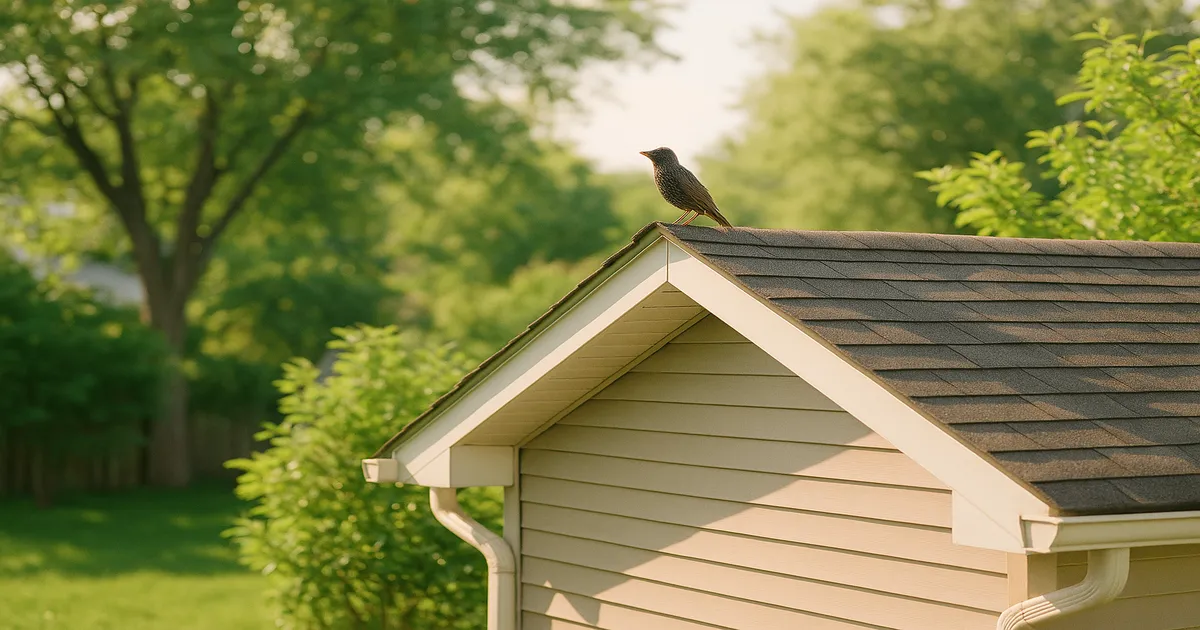
European Starlings (Sturnus vulgaris) are probably the single biggest threat to parked cars in North America. They roost communally in flocks of hundreds or thousands, and a single night under a starling roost can leave a car looking like it was used for target practice. Introduced from Europe in the 1890s and now numbering over 200 million across the continent, they’re everywhere — and their omnivorous diet produces highly acidic droppings.
Cedar Waxwings (Bombycilla cedrorum) are sleek, crested birds with silky plumage and bright red waxy wingtip spots. They travel in tight, nomadic flocks and descend on fruiting trees without much warning. Their droppings are extremely acidic, heavily pigmented, and notoriously staining. When a flock hits a mulberry tree above your car, you’ll know immediately.
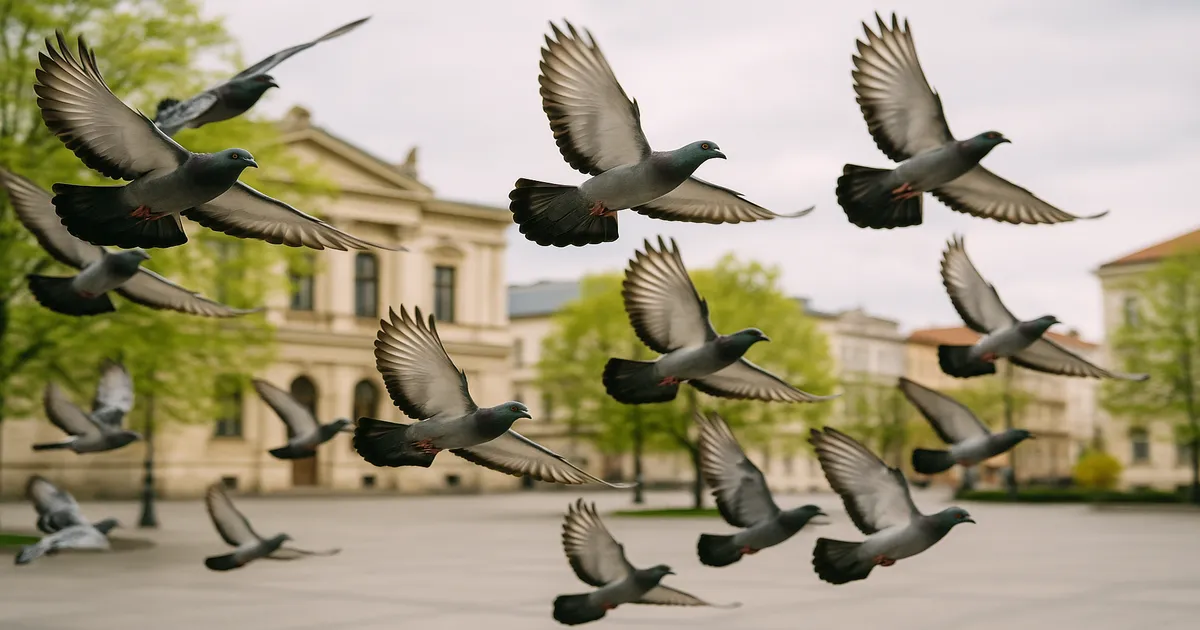
Rock Pigeons (Columba livia) are the classic urban roosting bird. A single pigeon can produce up to 25 pounds of droppings per year, and they tend to return to the same roosting spots repeatedly — which means if your car is under their ledge once, it’ll be there again.
Herring Gulls (Larus argentatus) and Ring-billed Gulls (Larus delawarensis) are common in parking lots near water and increasingly inland. Gulls are opportunistic feeders with varied diets, which translates to highly acidic droppings and significant volume.
Canada Geese (Branta canadensis) produce enormous quantities of droppings — a single bird can deposit 1–2 pounds per day — but their grass-heavy diet means lower acidity than most passerines. Still a mess, just a less chemically aggressive one.
| Species | Dropping Volume | Acidity / Staining Risk | Typical Location |
|---|---|---|---|
| European Starling | Very high (flocks) | High | Roosts, trees, ledges |
| Cedar Waxwing | High (flocks) | Very high | Fruiting trees |
| American Robin | Moderate–high | High (fall) | Suburban trees |
| Rock Pigeon | High (roosting) | Moderate–high | Urban ledges, garages |
| Herring Gull | High | High | Parking lots, coastal areas |
| Ring-billed Gull | High | High | Inland parking lots |
| Canada Goose | Very high | Moderate | Near water, parking lots |
| American Crow | Moderate | Moderate | Urban roosts |
| House Sparrow | Low per bird, frequent | Moderate | Near buildings |
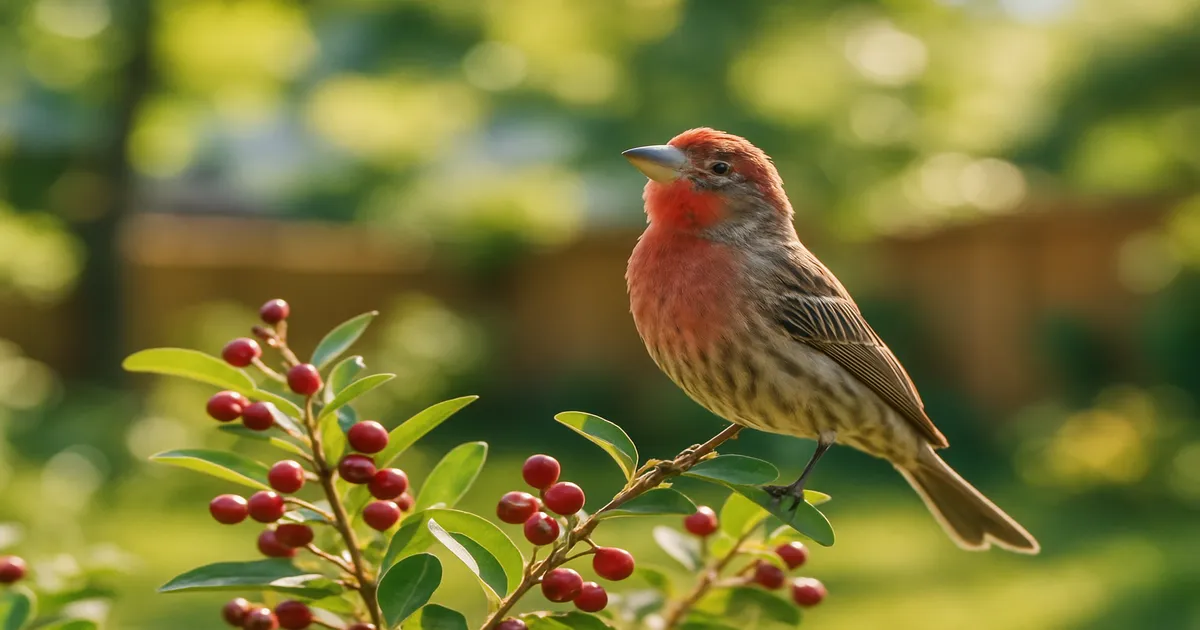
| House Finch | Low per bird, frequent | Moderate | Near buildings, feeders |
Frequently Asked Questions
How long does it take for bird droppings to damage car paint?
In direct summer sun, etching can begin within two to three hours. On a cooler, overcast day you might have 24–48 hours. Don’t rely on that window — act as soon as you see a dropping.
What is the best home remedy for removing bird poop from a car?
Baking soda paste is the most effective option. Mix baking soda with enough water to form a loose paste, apply it to the dropping, let it sit for five minutes, then rinse thoroughly. The alkalinity neutralizes the uric acid. Club soda is a solid backup if that’s all you have.
Does ceramic coating protect against bird droppings?
It helps significantly, but it’s not a free pass. Ceramic coating creates a hydrophobic, chemically resistant layer that slows acid penetration and makes droppings much easier to remove — but leave a dropping on a ceramic-coated car in summer sun for several hours and you can still get etching. Think of it as buying you more time, not unlimited time.
How do you remove bird poop from a matte paint finish?
Use a matte-specific detailer spray, soak thoroughly, and blot with a clean microfiber — same soak-and-blot technique as glossy paint. Never use polish, compound, or wax on matte finishes; they’ll create glossy spots that ruin the look. If there’s etching on matte paint, that’s a job for a professional detailer who specializes in matte finishes.
Does car insurance cover bird dropping paint damage?
Comprehensive coverage (not collision) typically covers it, since bird dropping damage falls under acts of nature. Whether it’s worth filing a claim depends on your deductible versus the repair cost — a light polish job might run $100–$300, while a panel respray can reach $500–$1,500 or more. Document everything with photos before and after, and call your insurer before committing to repairs.