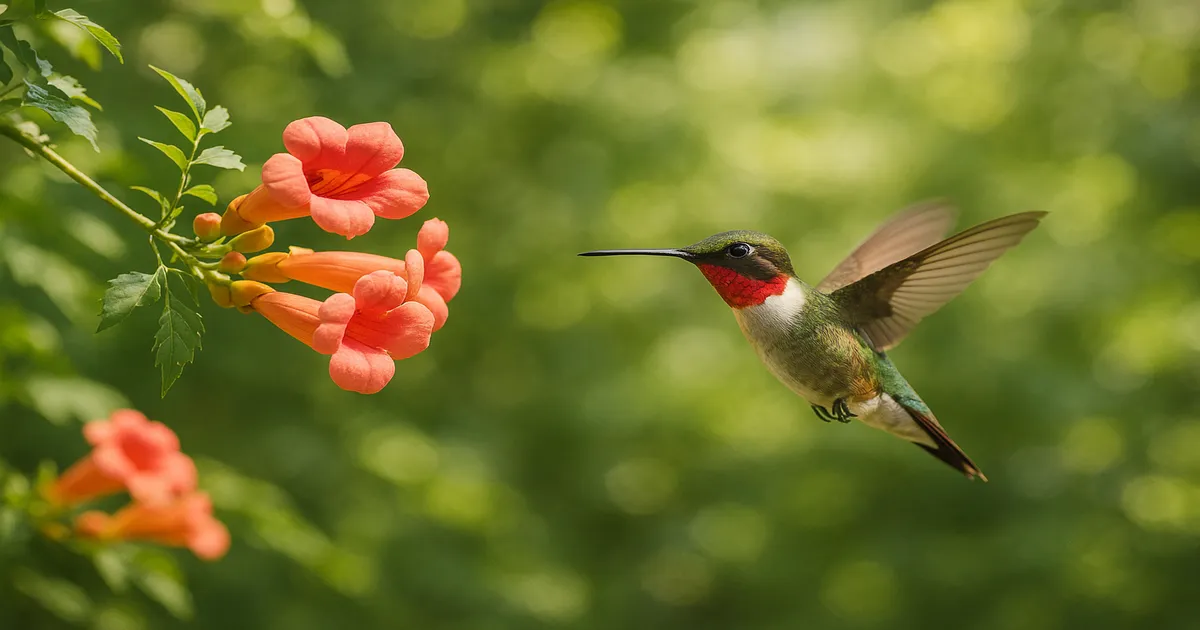
Quick Answer: That mark on your hummingbird’s belly is most likely completely normal — natural plumage coloration, a pollen deposit from flowers, or age/sex variation within a species. Less commonly, it could be feeder residue, mites, or (rarely) an injury. Read on to figure out exactly which one you’re seeing.
If you’ve ever squinted at a hummingbird clinging to your feeder and asked yourself what is this on my hummingbird’s belly?, you’re not alone. It’s one of the most common questions backyard birders ask, and the answer depends entirely on what you’re actually looking at. The mark could be a species field mark, a sign of age or sex, a dusting of pollen, or — in rare cases — something worth a closer look.
Most of the time, it’s nothing to worry about. But let’s sort through all the possibilities so you know exactly what you’re seeing.
What Is This on My Hummingbird’s Belly? Seven Common Causes
| What You See | Most Likely Cause |
|---|---|
| Orange or rufous flanks/belly | Rufous or Allen’s Hummingbird plumage |
| Grayish-green washed underparts | Normal for Anna’s Hummingbird |
| Yellow or orange dust | Pollen from flowers |
| White or sticky patch | Dried sugar water / feeder residue |
| Dark streaks on throat or chest | Juvenile male in transition |
| Crusty, matted, or asymmetrical patch | Possible mites or injury |
| Small rose or red patch on a female’s throat | Normal female Anna’s gorget |
Three Quick Questions to Narrow It Down
- Is it symmetrical? Natural plumage marks mirror on both sides. An asymmetrical patch is a red flag.
- Does it look powdery or dusty? That’s almost certainly pollen — harmless and actually fascinating.
- Is the bird acting normally? A healthy hummingbird is alert, fast, and feisty. A sick one looks fluffed, lethargic, or struggles to fly.
Natural Plumage: What Hummingbird Bellies Are Supposed to Look Like
Ruby-throated Hummingbird (Eastern North America)
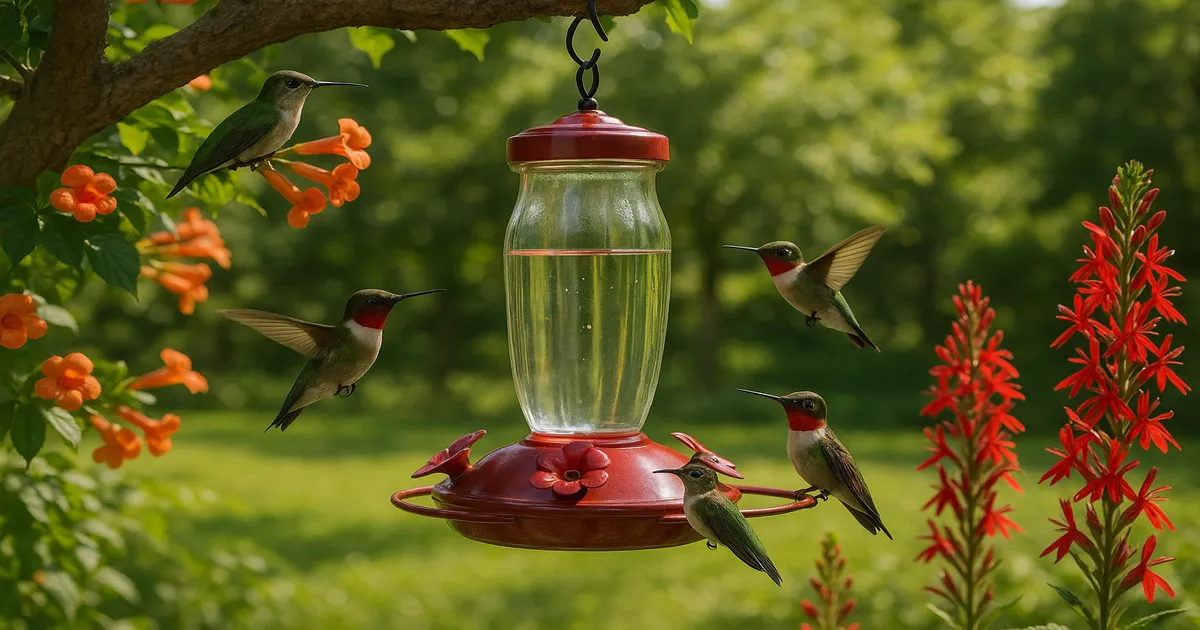
The Ruby-throated Hummingbird (Archilochus colubris) is the bird you’re almost certainly watching if you live east of the Rockies. Adult males have a clean white to grayish-white belly with dull green flanks — neat, unstreaked, and quite pale. The ruby gorget covers only the throat, not the chest.
Females are similar underneath but carry a subtle buffy-green wash on the flanks that’s slightly warmer than the male’s. It’s a minor difference, but once you’ve seen both side by side, it sticks.
Anna’s Hummingbird (Western North America)
Anna’s Hummingbird (Calypte anna) runs noticeably dingier underneath than its eastern counterpart. Both sexes show a grayish-green washed belly — less white, more muted. First-time Anna’s observers often think something is wrong with the bird. Nothing is. That’s just what they look like.
Female Anna’s also frequently sport a small central patch of rose-red iridescent feathers on the throat — sometimes just a few flecks, sometimes a proper little gorget. This surprises a lot of people who expect female hummingbirds to be entirely plain.
Other Common Species and Their Belly Colors
| Species | Belly/Underpart Color | Standout Feature |
|---|---|---|
| Black-chinned Hummingbird (Archilochus alexandri) | White with greenish flanks | Hard-to-see purple lower gorget band |
| Rufous Hummingbird (Selasphorus rufus) | Bright rufous-orange flanks and belly | Most orange of any N. American species |
| Allen’s Hummingbird (Selasphorus sasin) | Rufous flanks, white breast | Nearly identical to Rufous |
| Calliope Hummingbird (Selasphorus calliope) | White with buffy flanks | Streaked magenta gorget on males |
| Broad-tailed Hummingbird (Selasphorus platycercus) | White breast, greenish flanks | Trilling wingbeat on males |
| Broad-billed Hummingbird (Cynanthus latirostris) | Blue-green underparts | Bright red-orange bill |
| Buff-bellied Hummingbird (Amazilia yucatanensis) | Buffy/cinnamon belly | Rufous tail; red bill |
| Violet-crowned Hummingbird (Ramosomyia violiceps) | Pure white underparts | Violet crown; red bill |
| Blue-throated Mountain-gem (Lampornis clemenciae) | Grayish-white underparts | Largest N. American hummingbird at ~5.25 in (13.3 cm) |
Belly color is a genuine field mark, not just background noise. Warm orange flanks alone strongly suggest Rufous or Allen’s — that’s a real identification shortcut.
Age and Sex: How Belly Marks Help You Identify Hummingbirds
Males vs. Females
Adult males tend to be cleaner and more contrasting underneath than females of the same species. Female Ruby-throateds have that slightly buffy flank wash; female Anna’s are grayer and dingier than males. Neither is a problem — it’s just sexual dimorphism.
One thing worth knowing: don’t assume a hummingbird with a dull throat is necessarily female. Lighting angle, viewing angle, and molt timing can all make a brilliant gorget look completely black or absent.
What Is This on My Hummingbird’s Belly? It Might Be Juvenile Plumage
Juveniles of both sexes resemble adult females when they first leave the nest. By late summer and fall, though, young males start showing something that generates a lot of questions — scattered iridescent gorget feathers mixed in with plain white or streaked throat feathers. The result looks patchy, speckled, or spotted across the throat and upper chest.
This is completely normal. It’s a first-year male working his way into adult plumage, and it’s one of the more interesting things you’ll see at a late-summer feeder.
Molting Adults
Adult males molt their gorget feathers in late summer and early fall, which can leave them looking temporarily dark, patchy, or oddly colored on the throat. If you’re seeing a hummingbird with an uneven or incomplete throat patch in August or September, molt is the most likely explanation — not injury, not disease.
Pollen, Feeder Residue, and Harmless Debris
Yellow or Orange Dust: Almost Always Pollen
Hummingbirds pick up pollen wherever their head and chin make contact with a flower’s anthers. You might see yellow, orange, or white dusty patches on the forehead, chin, or belly — and it looks bizarre if you don’t know what it is. It’s completely harmless. The bird will preen it off.
What’s especially cool: pollen placement on the body varies by flower species, and botanists have used this to study which hummingbirds pollinate which plants. Your backyard visitor is doing real ecological work.
Sticky or Discolored Patches: Sugar Water Residue
Sugar water dries on feathers and can leave white, sticky, or slightly crusty patches — especially around the chin and breast of a bird that feeds sloppily or bumps against a leaky feeder port. If your feeder has developed black mold inside, residue from that can end up on a bird’s plumage too.
Hummingbirds preen regularly and these deposits are temporary. That said, a moldy feeder is worth cleaning immediately — moldy nectar can make birds seriously ill. Saucer-style feeders (Aspects HummZinger Excel 16 oz) are much easier to clean thoroughly than bottle-style feeders, which is why I switched to them years ago and haven’t looked back.
Mites, Parasites, and When to Be Concerned
Hummingbird mites — including feather mites and nasal mites — are real, but most aren’t visible to the naked eye. You won’t see individual mites on a bird at your feeder. What you might see are the effects:
- Crusty, matted, or missing feathers on the belly or flanks
- Asymmetrical patches that don’t mirror on both sides
- A bird that appears fluffed up, lethargic, or reluctant to fly
- Feathers that look abnormally worn or damaged outside of molt season
Normal plumage — even in juveniles with patchy throats — is always symmetrical, and the bird acts energetic and alert. Mite-related damage looks messy and wrong in a way that’s hard to articulate but obvious once you know what healthy looks like.
If you suspect parasites, contact a licensed wildlife rehabilitator. It is illegal to handle hummingbirds without a federal permit, so do not attempt to catch or treat the bird yourself. Your state wildlife agency or the National Wildlife Rehabilitators Association (NWRA) can connect you with someone qualified to help.
Injury and Disease: Rare but Worth Recognizing
An injured hummingbird looks wrong in ways that are hard to miss: asymmetrical feather loss, visible wound, blood, erratic hovering, or sitting on the ground unable to fly. These birds need professional help, not home remedies.
Window strikes are a significant source of hummingbird mortality. A bird found on the ground near a window may be stunned rather than dead — give it 30–60 minutes in a dark, quiet box before assuming the worst, then contact a rehabilitator if it doesn’t recover. Window alert decals (WindowAlert UV Liquid Pen) applied to the outside of glass are one of the simplest ways to reduce strike risk.
Avian pox is a rare but documented condition in hummingbirds, presenting as warty or swollen growths, often on the face or feet. If you see something that looks like that, call a rehabilitator — don’t wait and see.
Getting a Better Look: Feeders, Optics, and Field Guides
For close-range feeder watching, 8x42 binoculars (Nikon Monarch M5 8x42) give you enough magnification without the narrow field of view that makes fast-moving birds frustrating to track. If you want to photograph belly detail, use burst mode and the fastest shutter speed your light allows — 1/2000 sec or faster is where you actually stop motion on a hummingbird.
A good regional field guide helps enormously when you’re trying to match what you’re seeing to a species. (Sibley’s Birds of North America) For western birders especially, where species diversity is high, having a reference on hand makes a real difference.
The nectar recipe is simple: 4 parts water to 1 part plain white sugar, boiled briefly to dissolve. No red dye. No honey — it ferments and causes fatal fungal infections. No artificial sweeteners. Change nectar every 2–3 days in warm weather, and daily when temperatures exceed 90°F (32°C).
Hummingbirds are trap-liners — they follow a regular circuit and return to the same feeder at roughly the same times each day. If you miss a good look this morning, sit back down in an hour. They’ll be back.
Frequently Asked Questions
Why does my hummingbird have a yellow or orange patch on its belly?
Yellow or orange dust on a hummingbird’s belly is almost always pollen picked up from flowers. It’s harmless and temporary — the bird will preen it off. If the orange color is part of the feathers themselves rather than a dusty coating, you’re likely looking at a Rufous or Allen’s Hummingbird, both of which have rich rufous-orange flanks as a natural field mark.
What does a female hummingbird’s belly look like compared to a male’s?
Female hummingbirds are generally paler and less contrasting underneath than males of the same species. Female Ruby-throated Hummingbirds have a white belly with a subtle buffy-green flank wash; female Anna’s are grayish and dingy underneath. Female Anna’s often show a small central patch of rose-red throat feathers — which surprises many observers who expect females to be entirely plain.
Can hummingbirds get mites, and how can I tell?
Yes. Signs of a problem include crusty or matted belly feathers, asymmetrical feather loss, or a bird that appears fluffed and lethargic. Individual mites are rarely visible to the naked eye. If you suspect mites, contact a licensed wildlife rehabilitator — it’s illegal to handle hummingbirds without a federal permit, and home treatments can harm the bird.
Why does my hummingbird have streaks or spots on its throat and chest?
Streaks or spots on the throat and chest are the classic sign of a juvenile male in his first fall — he’s growing in his adult gorget feathers among the plain juvenile feathers, creating a speckled or patchy look. Adult males can also look patchy on the throat during late summer molt. Both are completely normal and temporary.
What should I do if I find a hummingbird with an injured or bare belly?
Do not attempt to handle or treat the bird yourself — it’s federally illegal without a permit, and well-meaning intervention often causes more harm. If the bird is grounded and appears stunned, place it in a small ventilated box in a quiet, dark location, then contact a licensed wildlife rehabilitator immediately through the NWRA at nwrawildlife.org or your state wildlife agency. Do not offer sugar water by hand.